Embark on a journey to explore the vital topic of Expanding Access to Healthcare Services, delving into the crucial aspects that impact individuals and communities alike. From barriers to solutions, this discussion aims to shed light on the path to better healthcare for everyone.
Healthcare Access

Expanding access to healthcare services is crucial for ensuring that all individuals have the opportunity to receive the care they need to maintain their health and well-being. It plays a significant role in promoting overall community health and reducing disparities in healthcare outcomes.
Barriers to Accessing Healthcare
There are various barriers that prevent individuals from accessing healthcare services, including:
- Lack of health insurance coverage
- High out-of-pocket costs
- Geographic barriers, such as living in rural areas without access to healthcare facilities
- Language and cultural barriers
- Stigma and discrimination
Impact of Limited Access to Healthcare
Limited access to healthcare can have detrimental effects on communities, leading to:
- Delayed diagnosis and treatment of medical conditions
- Increased burden on emergency services
- Higher rates of preventable diseases
- Worsening health outcomes and disparities
Healthcare Costs
Access to healthcare services and costs are intricately linked, as the affordability of healthcare directly impacts an individual’s ability to seek medical care. High healthcare costs can act as a barrier for many people, preventing them from accessing necessary treatment and services.
Examples of How High Healthcare Costs Can Deter People from Seeking Medical Care
- Individuals may delay or forego necessary medical appointments or treatments due to the fear of high out-of-pocket costs.
- High deductibles and copayments can lead to financial strain, causing individuals to prioritize other expenses over healthcare.
- Uninsured individuals may avoid seeking medical care altogether, leading to untreated conditions and worsened health outcomes.
Potential Solutions for Reducing Healthcare Costs to Improve Access
- Implementing price transparency measures to allow patients to compare costs and make informed decisions about their care.
- Expanding access to affordable insurance coverage through programs like Medicaid or subsidies for low-income individuals.
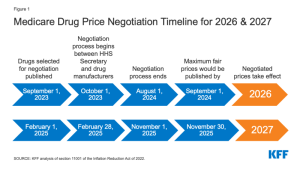
- Addressing the high costs of prescription medications through measures such as negotiating drug prices or promoting the use of generic alternatives.
- Promoting preventive care and early intervention to reduce the overall burden of healthcare costs by addressing issues before they escalate.
Healthcare Providers
Healthcare providers play a crucial role in expanding access to healthcare services by delivering medical care, diagnosis, treatment, and preventive services to individuals in need.
Availability of Healthcare Providers in Urban and Rural Areas
Availability of healthcare providers varies significantly between urban and rural areas. Urban areas tend to have a higher concentration of healthcare providers, including hospitals, clinics, and specialists, making healthcare services more accessible. In contrast, rural areas often face shortages of healthcare providers, particularly specialists, leading to limited access to specialized care.
Challenges Faced by Healthcare Providers in Underserved Communities
- Limited Resources: Healthcare providers in underserved communities often have limited resources, including medical supplies, equipment, and staff, which can hinder their ability to provide quality care.
- Financial Constraints: Healthcare providers in underserved areas may face financial constraints, leading to difficulties in maintaining facilities, acquiring new technology, and attracting skilled professionals.
- Cultural and Language Barriers: Healthcare providers in underserved communities may encounter cultural and language barriers that can impact effective communication and ultimately patient care.
- Workforce Shortages: Underserved communities often experience shortages of healthcare professionals, including doctors, nurses, and specialists, which can result in long wait times and limited access to care.
Health Insurance
Health insurance plays a crucial role in determining access to healthcare services for individuals. It serves as a financial safety net, helping individuals cover the costs of medical care and treatments, thereby ensuring they can seek necessary healthcare without the burden of high out-of-pocket expenses.
Private vs. Public Health Insurance
- Private Health Insurance:
- Offered by private companies, employers, or purchased individually.
- Provides a range of coverage options based on premiums paid.
- May offer more extensive coverage but can be costly.
- Public Health Insurance:
- Government-funded programs like Medicaid and Medicare.
- Eligibility criteria based on income, age, or disability.
- Generally provides coverage for low-income individuals, seniors, and people with disabilities.
Initiatives for Increasing Health Insurance Coverage
- Expansion of Medicaid:
- Increasing eligibility criteria to cover more low-income individuals.
- Helps bridge the gap for those who cannot afford private insurance.
- Subsidies and Tax Credits:
- Providing financial assistance to make private insurance more affordable.
- Helps individuals purchase coverage through the Health Insurance Marketplace.
- Community Outreach Programs:
- Education and enrollment assistance for vulnerable populations.
- Increasing awareness about available insurance options and benefits.
Health Policies
Health policies play a crucial role in shaping the accessibility and quality of healthcare services for individuals. By analyzing existing policies and exploring potential changes, we can work towards improving healthcare access for all.
Current Health Policies
Currently, health policies vary greatly from country to country and even within regions. Some countries have universal healthcare systems that provide comprehensive coverage to all citizens, while others rely on a mix of public and private insurance options. These policies can impact the affordability, availability, and quality of healthcare services.
Potential Policy Changes
- Increasing funding for healthcare programs to expand coverage and reduce out-of-pocket costs for individuals.
- Implementing regulations to ensure healthcare providers accept a diverse range of insurance plans to improve access for all patients.
- Investing in telehealth services to reach underserved populations in remote areas and improve healthcare access.
Role of Government
The government plays a vital role in shaping healthcare policies to enhance accessibility. By enacting laws, regulations, and funding initiatives, governments can influence how healthcare services are delivered, who has access, and how costs are managed. It is crucial for governments to prioritize policies that promote equity, affordability, and quality in healthcare for all individuals.
Health Records
Electronic health records play a crucial role in improving healthcare access by providing healthcare providers with instant access to patient information, regardless of their location. This accessibility ensures that patients receive timely and appropriate care, leading to better health outcomes.
Benefits of Centralized Health Records
Centralized health records offer numerous benefits for both patients and healthcare providers.
- Efficient Coordination of Care: Centralized health records allow different healthcare providers to access a patient’s medical history, test results, and treatment plans, leading to more coordinated and effective care.
- Reduction of Duplication: By having all medical information in one place, patients can avoid redundant tests and procedures, ultimately saving time and reducing healthcare costs.
- Improved Patient Engagement: Patients can access their health records online, enabling them to actively participate in their healthcare decisions and track their progress.
Challenges in Privacy and Security
Maintaining the privacy and security of health records is a significant challenge in the healthcare industry.
- Data Breaches: The risk of data breaches and unauthorized access to health records raises concerns about patient confidentiality and trust in the healthcare system.
- Compliance with Regulations: Healthcare providers must adhere to strict regulations, such as HIPAA, to safeguard patient information and prevent unauthorized disclosure.
- Technological Vulnerabilities: With the advancement of technology, there is a constant need to update security measures to protect health records from cyber threats and hacking attempts.
Health Screening
Regular health screening plays a crucial role in preventive healthcare by detecting potential health issues early on, allowing for timely intervention and treatment.
Common Health Screening Tests and Benefits
- 1. Blood Pressure Monitoring: Regular blood pressure checks can help identify hypertension, a major risk factor for heart disease and stroke.
- 2. Cholesterol Screening: Testing cholesterol levels can assess the risk of heart disease and guide lifestyle changes or medication.
- 3. Blood Glucose Testing: Screening for diabetes helps in managing blood sugar levels and preventing complications.
- 4. Cancer Screenings: Regular screenings like mammograms, colonoscopies, and Pap smears can detect cancer at early stages for better treatment outcomes.
Initiatives to Promote Awareness and Participation
- 1. Community Health Fairs: Organizing health fairs with free screenings can encourage individuals to prioritize their health.
- 2. Workplace Wellness Programs: Employers can offer health screenings as part of wellness initiatives to promote employee health.
- 3. Public Health Campaigns: Government-led campaigns can raise awareness about the importance of regular health screenings and provide accessible options for the public.
In conclusion, the discourse on Expanding Access to Healthcare Services highlights the pressing need for improved accessibility in healthcare. By addressing challenges and implementing solutions, we can pave the way for a healthier future for all.
Questions and Answers
What are some common barriers to accessing healthcare services?
Barriers can include lack of insurance, high costs, geographic limitations, and language barriers.
How does health insurance impact healthcare access?
Health insurance can make healthcare services more affordable and accessible for individuals.
What role do healthcare providers play in expanding access to healthcare services?
Healthcare providers are essential in delivering care and ensuring access to vital services in communities.