As Health Policy for Affordable Medications takes center stage, this opening passage beckons readers into a world crafted with good knowledge, ensuring a reading experience that is both absorbing and distinctly original. In today’s healthcare landscape, the affordability of medications remains a critical issue that impacts individuals and healthcare systems alike. Let’s delve into the realm of health policy and its pivotal role in making essential treatments accessible to all.
We will explore the significance of health policies in driving down medication costs, examine successful examples, and shed light on strategies to enhance access for underserved communities. Join us on this enlightening journey through the intersection of health policy and affordable medications.
Health Policy for Affordable Medications
Health policy plays a crucial role in ensuring that medications are affordable and accessible to all individuals. It involves the regulations, laws, and guidelines put in place by governments and organizations to address the cost of medications and promote public health.
The Importance of Health Policy in Ensuring Affordable Medications
Health policies focused on affordable medications help in reducing the financial burden on individuals, especially those with chronic conditions who require ongoing medication. By regulating drug prices, promoting generic alternatives, and implementing cost-sharing programs, health policies can make essential medications more affordable and improve overall health outcomes.
Comparison of Different Health Policies Aimed at Reducing Medication Costs
Various health policies around the world aim to reduce medication costs through different approaches. Some countries negotiate drug prices directly with pharmaceutical companies, while others implement price controls or bulk purchasing agreements. In contrast, some policies focus on promoting competition among drug manufacturers to drive prices down.
Examples of Successful Health Policies Improving Access to Affordable Medications
In countries like Canada and the UK, universal healthcare systems ensure that all citizens have access to necessary medications at affordable prices. The use of formularies and effective price negotiations have helped these nations keep medication costs in check. Additionally, programs like Medicaid in the United States provide low-income individuals with access to subsidized medications, improving affordability for vulnerable populations.
Healthcare Access
Access to healthcare, especially when it comes to medications, is a crucial aspect of ensuring public health and well-being. Health policy plays a significant role in determining the level of access individuals have to affordable medications, which can directly impact their overall health outcomes.
Barriers to Accessing Affordable Medications
- Lack of insurance coverage for prescription medications
- High out-of-pocket costs for medications
- Limited availability of generic alternatives
- Complexity of medication pricing and reimbursement systems
Addressing Barriers through Health Policy
- Implementing price controls on essential medications
- Expanding insurance coverage for prescription drugs
- Promoting the use of generic medications through incentives
- Streamlining medication pricing and reimbursement processes
Strategies for Improving Healthcare Access for Underserved Populations
- Increasing funding for community health centers and clinics
- Expanding telehealth services to reach remote or rural areas
- Implementing mobile health clinics to provide care in underserved communities
- Offering medication assistance programs for low-income individuals
Healthcare Costs
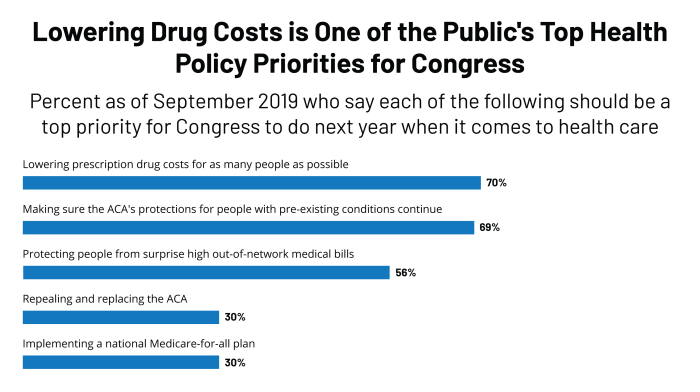
High healthcare costs, especially in relation to medications, can be attributed to several factors such as research and development expenses, lack of generic alternatives, complex pricing structures, and high demand for certain medications.
Health Policy Interventions
Health policy interventions play a crucial role in lowering healthcare costs for individuals and the healthcare system. By implementing policies that promote generic drug utilization, negotiate drug prices, increase price transparency, and regulate drug advertising, healthcare costs can be significantly reduced.
Examples of Cost-Effective Health Policies
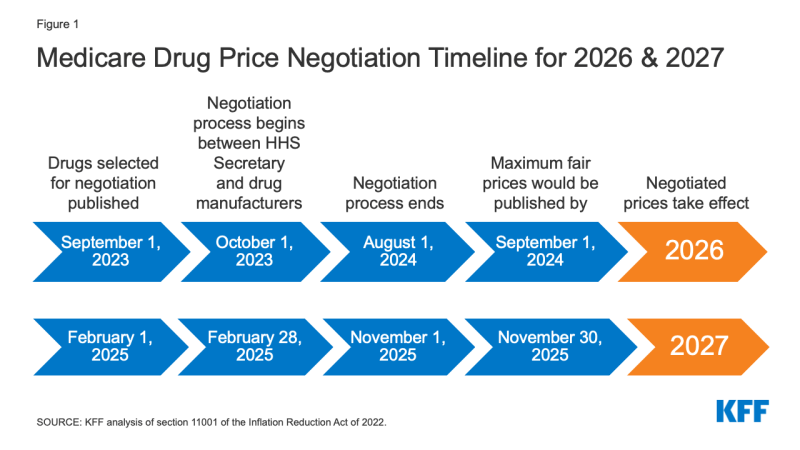
- Medicare Drug Price Negotiation: Allowing Medicare to negotiate drug prices with pharmaceutical companies can lead to substantial cost savings for both the government and beneficiaries.
- Importation of Prescription Drugs: Allowing the importation of prescription drugs from other countries where prices are lower can provide more affordable options for consumers.
- Value-Based Pricing: Implementing a value-based pricing model where the cost of a medication is tied to its effectiveness and outcomes can ensure that patients are getting the most value for their money.
Healthcare Providers
Healthcare providers play a crucial role in implementing health policies related to affordable medications. They are on the frontline of patient care and can directly impact medication access and affordability.
Advocacy for Patient Benefit
Healthcare providers can advocate for policies that benefit patients in terms of medication affordability by actively engaging in discussions with policymakers. They can provide insights based on their clinical experience and patient interactions to highlight the importance of affordable medications for better health outcomes.
- Collaborating with patient advocacy groups to raise awareness about the impact of high medication costs on patient health and well-being.
- Educating patients about resources available for prescription assistance programs and generic medication options to reduce out-of-pocket expenses.
- Participating in research studies to evaluate the effectiveness of policies aimed at reducing medication costs and improving access.
Collaboration with Policymakers
Effective collaboration between healthcare providers and policymakers is essential to improve medication access and affordability for patients. By working together, they can develop and implement policies that address the root causes of high medication prices and ensure patients can afford the treatments they need.
Healthcare providers can provide valuable input on the practical implications of policy decisions and offer solutions based on their clinical expertise.
- Engaging in discussions with policymakers to share real-life patient stories that highlight the challenges of medication affordability.
- Participating in advisory committees or task forces focused on healthcare policy to provide input on medication pricing regulations and insurance coverage.
- Collaborating on initiatives to streamline medication formularies and promote the use of cost-effective treatment options.
Health Insurance
Health insurance plays a crucial role in determining the access to affordable medications for individuals. It serves as a financial safety net that can help cover the costs of necessary medications, making them more accessible to patients.
Relationship between Health Insurance Coverage and Access to Affordable Medications
- Health insurance coverage often includes prescription drug benefits, which can significantly reduce the out-of-pocket costs for medications.
- Individuals with health insurance are more likely to seek medical attention and obtain necessary prescriptions, leading to better medication adherence and health outcomes.
Impact of Health Insurance Policies on Medication Affordability for Patients
- Health insurance policies can dictate the co-payment amounts, formulary coverage, and prior authorization requirements for medications, affecting their affordability for patients.
- High deductibles and copayments can present barriers to medication access, especially for individuals with chronic conditions who require ongoing treatment.
Changes in Health Insurance Regulations and Influence on Medication Costs and Access
- Changes in health insurance regulations, such as modifications to drug formularies or coverage tiers, can impact the cost of medications for patients.
- Policy shifts that expand coverage for prescription drugs or limit out-of-pocket expenses can improve medication affordability and access for individuals.
Health Records
Accurate health records play a crucial role in the context of affordable medications by providing healthcare providers with essential information about a patient’s medical history, medications, allergies, and previous treatments. These records help ensure that the right medications are prescribed, reducing the risk of adverse reactions and unnecessary costs.
Importance of Health Records in Medication Affordability
- Health records help healthcare providers make informed decisions about medication choices based on a patient’s medical history and previous responses to treatments.
- Accurate health records can prevent duplicate tests and procedures, reducing unnecessary healthcare expenses.
- By tracking medication adherence and effectiveness through health records, healthcare providers can optimize treatment plans, leading to better health outcomes and cost savings.
Informing Health Policies with Health Records
- Health records provide valuable data for policymakers to identify trends in medication use, adherence, and effectiveness, guiding the development of policies to improve medication affordability.
- Utilizing health records can help policymakers target specific populations or conditions that may require interventions to reduce medication costs and improve access to essential treatments.
Leveraging Health Records for Medication Management
- Health records enable personalized medication management by considering individual patient factors such as age, gender, comorbidities, and previous treatment responses.
- Through data analytics and population health management, health records can identify opportunities for cost-effective medication interventions, such as generic substitutions or formulary adjustments.
- Integrating health records with electronic prescribing systems can streamline medication ordering and refills, reducing administrative burdens and promoting medication adherence.
Health Screening
Health screening plays a crucial role in preventive healthcare by allowing early detection of potential health issues. This proactive approach can significantly impact the medication needs of individuals by addressing conditions before they escalate.
Integration of Health Screening into Health Policies
Health screening programs can be effectively integrated into health policies for affordable medications by emphasizing the importance of preventive measures. By including regular screenings as part of routine healthcare, policymakers can promote early detection and intervention, ultimately reducing the need for costly medications.
- Health screening programs can identify risk factors and early signs of chronic diseases, allowing for timely interventions that may lessen the reliance on medications in the long run.
- By incorporating screenings into primary care settings and making them accessible to a wider population, policymakers can encourage proactive health management and reduce the burden on the healthcare system.
- Collaboration between healthcare providers, insurers, and public health agencies can streamline the implementation of health screening initiatives within existing healthcare frameworks, ensuring comprehensive coverage for individuals.
Connection between Health Screening, Early Detection, and Medication Costs
Health screening is directly linked to early detection, which can lead to more effective treatment outcomes and lower medication costs. By identifying health issues at an early stage, individuals can receive timely interventions that may prevent the progression of diseases and the need for extensive medication regimens.
- Early detection through screenings can result in less invasive treatment options, reducing the overall healthcare expenses associated with managing advanced conditions.
- Regular health screenings can promote a proactive approach to healthcare, empowering individuals to take control of their well-being and potentially avoid costly medications through preventive measures.
- Health policies that incentivize and prioritize health screenings can contribute to a healthier population overall, leading to reduced healthcare costs and improved medication affordability for individuals and communities.
In conclusion, the landscape of health policy for affordable medications is complex yet promising. By implementing effective strategies and fostering collaboration between stakeholders, we can pave the way for a future where vital treatments are within reach for all. Let’s continue advocating for policies that prioritize access and affordability in healthcare, ensuring a healthier and more equitable society for everyone.
FAQ Guide
How do health policies impact medication costs?
Health policies play a crucial role in shaping the affordability of medications by regulating prices, promoting generic alternatives, and expanding coverage options.
What are some common barriers to accessing affordable medications?
Barriers include high drug prices, lack of insurance coverage, limited availability of pharmacies, and transportation issues. Health policies aim to address these challenges.
Can changes in health insurance regulations affect medication costs?
Yes, alterations in health insurance rules can impact medication affordability by influencing coverage, copayments, and formularies. Stay informed about policy changes to navigate these shifts effectively.