Health Screening for Heart Disease sets the stage for this enthralling narrative, offering readers a glimpse into a story that is rich in detail with casual formal language style and brimming with originality from the outset.
As we delve into the realm of heart disease screenings, we uncover the crucial significance of early detection and the various methods utilized to safeguard cardiac health.
Introduction to Health Screening for Heart Disease
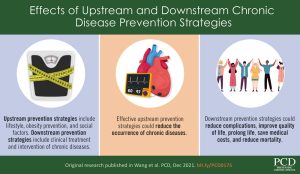
Regular health screenings for heart disease play a crucial role in maintaining overall well-being and preventing serious health complications. By detecting potential risk factors early on, individuals can take proactive measures to manage their heart health effectively.
Common Screening Methods
- Cholesterol Levels: Monitoring cholesterol levels through a simple blood test helps in assessing the risk of heart disease.
- Blood Pressure: Regular blood pressure checks can identify hypertension, a major risk factor for heart disease.
- Electrocardiogram (ECG): ECG tests record the electrical activity of the heart, detecting irregularities that may indicate heart problems.
Benefits of Early Detection
Early detection through health screenings offers numerous advantages, including:
- Prevention of Heart Attacks: Identifying risk factors early can help in preventing heart attacks and related complications.
- Effective Treatment: Early detection allows for timely intervention and appropriate treatment to manage heart disease effectively.
- Improved Quality of Life: By addressing risk factors early on, individuals can adopt lifestyle changes to improve their heart health and overall well-being.
Healthcare Access for Heart Disease Screenings
Access to health screening services for heart disease can vary depending on the healthcare setting and location.
Availability of Health Screening Services
In urban areas, there is usually a higher availability of health screening services for heart disease due to the concentration of healthcare facilities and resources. Primary care clinics, hospitals, and specialized heart centers often offer screening programs to detect early signs of heart disease.
On the other hand, in rural areas, access to heart disease screenings may be more limited. There may be fewer healthcare facilities, longer distances to travel for screenings, and a shortage of healthcare providers with expertise in cardiovascular health.
Access to Heart Disease Screenings in Urban vs. Rural Areas
- In urban areas, individuals may have easier access to heart disease screenings due to the proximity of healthcare facilities and a higher concentration of healthcare providers.
- Conversely, in rural areas, access to heart disease screenings may be more challenging due to limited healthcare resources and longer travel distances to reach screening centers.
- Mobile health clinics or telemedicine services may help bridge the gap in rural areas by bringing screening services closer to communities.
Barriers to Accessing Heart Disease Screenings
- Lack of awareness about the importance of heart disease screenings may prevent individuals from seeking out these services.
- Financial constraints can be a barrier, especially for individuals without health insurance coverage for preventive screenings.
- Limited transportation options in rural areas can make it difficult for individuals to travel to healthcare facilities for screenings.
- Cultural beliefs or language barriers may also impact access to heart disease screenings, especially in diverse communities.
Healthcare Costs and Heart Disease Screenings
Regular heart disease screenings are essential for early detection and prevention of cardiovascular issues. However, the costs associated with these screenings can vary depending on various factors, including the type of screening and the healthcare provider.
Cost Analysis of Heart Disease Screenings
- Basic heart disease screenings, such as blood pressure checks and cholesterol tests, are usually covered by health insurance plans as preventive services.
- Advanced screenings like ECGs, stress tests, and echocardiograms may require additional out-of-pocket costs, depending on insurance coverage.
- In some cases, individuals without insurance may have to pay the full cost of heart disease screenings, which can be a barrier to access for many individuals.
Impact of Insurance Coverage on Affordability
- Health insurance plays a crucial role in making heart disease screenings more affordable for individuals, as preventive services are often covered at little to no cost.
- Individuals with comprehensive insurance plans are more likely to undergo regular heart disease screenings, leading to early detection and better management of cardiovascular health.
Programs and Initiatives for Cost Reduction
- Community health centers and clinics often offer free or low-cost heart disease screenings for individuals without insurance or with limited financial resources.
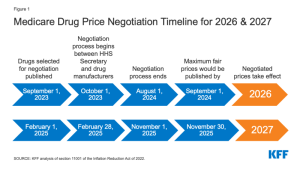
- Government-funded programs like Medicaid and Medicare provide coverage for heart disease screenings for eligible individuals, helping to reduce the financial burden on patients.
- Non-profit organizations and health advocacy groups may also organize events or campaigns to raise awareness about the importance of heart disease screenings and provide access to affordable or free screenings for the community.
Healthcare Providers and Heart Disease Screenings

When it comes to heart disease screenings, various healthcare professionals play a crucial role in ensuring early detection and proper management of this condition. Let’s explore the key aspects related to healthcare providers and heart disease screenings.
Healthcare Professionals Involved
- Primary Care Physicians: Primary care physicians are often the first point of contact for patients seeking preventive care and routine screenings. They play a vital role in assessing a patient’s overall health, identifying risk factors for heart disease, and recommending appropriate screenings.
- Cardiologists: Cardiologists are specialists who focus on diagnosing and treating heart conditions. They may be involved in more advanced screenings, interpreting test results, and developing treatment plans for patients with heart disease.
- Cardiac Nurses: Cardiac nurses assist in the administration of screenings, provide patient education, and offer support throughout the screening process. They play a critical role in ensuring patients understand the importance of heart disease prevention and management.
Role of Primary Care Physicians vs. Specialists
Primary care physicians are typically responsible for conducting initial screenings, assessing risk factors, and referring patients to specialists for further evaluation if needed. Specialists such as cardiologists have the expertise to perform more advanced tests, interpret results accurately, and recommend specialized treatments for heart disease.
Provider-Patient Communication
Effective communication between healthcare providers and patients is essential during heart disease screenings. Providers should clearly explain the purpose of the screening, discuss any potential risks or benefits, and address any concerns or questions that the patient may have. Open and honest communication helps ensure that patients are actively involved in their care and understand the importance of preventive measures for heart health.
Health Insurance Coverage for Heart Disease Screenings
Regular heart disease screenings are essential for early detection and prevention of serious heart conditions. Understanding the coverage provided by health insurance plans for these screenings is crucial for individuals seeking to prioritize their heart health.
Typical Coverage for Heart Disease Screenings
- Most health insurance plans cover preventive heart disease screenings, such as blood pressure checks, cholesterol tests, and electrocardiograms (EKGs).
- Coverage may also extend to diagnostic screenings, including stress tests, echocardiograms, and cardiac catheterizations, depending on the plan.
- Some insurance plans may require a referral from a primary care physician for coverage of diagnostic screenings.
Comparison: Preventive vs. Diagnostic Screenings
- Preventive screenings are typically covered at no cost to the individual under the Affordable Care Act, while diagnostic screenings may involve copayments or coinsurance.
- Diagnostic screenings are usually covered when deemed medically necessary based on symptoms or risk factors identified during preventive screenings.
- Individuals should review their insurance plan details to understand coverage distinctions between preventive and diagnostic screenings.
Impact of Health Insurance Policy Changes
- Changes in health insurance policies can impact access to heart disease screenings by altering coverage levels, copayment amounts, or network restrictions.
- Individuals should stay informed about any policy changes that may affect their ability to receive necessary screenings for heart disease.
- Advocacy for comprehensive coverage of heart disease screenings can help ensure that individuals have access to vital preventive and diagnostic services.
Health Policies and Heart Disease Screenings
Health policies play a crucial role in determining the accessibility and quality of heart disease screenings. Evaluating existing policies can shed light on the barriers or facilitators to screenings.
Government Regulations for Quality Screenings
Government regulations are essential in ensuring that heart disease screenings meet standardized quality measures. These regulations help maintain consistency and accuracy in the screening process, ultimately improving the reliability of the results.
Policy Changes to Improve Uptake
Implementing policy changes can significantly enhance the uptake of heart disease screenings among the population. By offering incentives, increasing awareness, and making screenings more affordable, policies can encourage more individuals to prioritize their heart health.
Health Records and Heart Disease Screenings
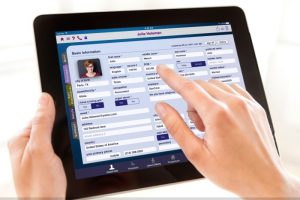
Maintaining accurate health records is crucial for heart disease screenings as it helps healthcare providers track a patient’s medical history, risk factors, and screening results effectively. Electronic health records (EHRs) play a significant role in facilitating this process by enabling seamless access to relevant information.
Importance of Maintaining Accurate Health Records
- Accurate health records provide a comprehensive overview of a patient’s health status, including past medical conditions, medications, and allergies.
- Having up-to-date health records allows healthcare providers to make informed decisions regarding the need for heart disease screenings based on individual risk factors.
- Health records help in monitoring the effectiveness of preventive measures and treatments over time, contributing to better management of heart disease.
Electronic Health Records for Tracking Screening Results
- EHRs streamline the process of documenting and accessing screening results, ensuring that healthcare providers can easily monitor changes in a patient’s heart health status.
- Electronic systems allow for quick retrieval of screening data, reducing the risk of errors or delays in diagnosing heart disease and implementing appropriate interventions.
- Healthcare providers can utilize EHRs to generate reminders for scheduled screenings, follow-ups, and necessary interventions, improving patient compliance and outcomes.
Privacy and Security Considerations
- Protecting the privacy of patient health records is paramount to maintain trust and confidentiality in healthcare settings.
- Healthcare organizations must adhere to strict security protocols to safeguard electronic health records from unauthorized access, breaches, or misuse.
- Ensuring compliance with regulations such as HIPAA (Health Insurance Portability and Accountability Act) is essential to protect sensitive health information during heart disease screenings.
Innovations in Health Screening for Heart Disease

Technological advancements have significantly enhanced the accuracy of heart disease screenings, allowing for earlier detection and more precise diagnoses.
Role of Artificial Intelligence in Analyzing Screening Results
Artificial intelligence (AI) plays a crucial role in analyzing screening results by quickly processing vast amounts of data to identify patterns and potential risk factors. AI algorithms can help healthcare providers make more informed decisions and provide personalized treatment plans based on individual patient data.
Emerging Trends in Personalized Medicine for Heart Disease Screenings
Personalized medicine is an emerging trend in heart disease screenings, where genetic testing and biomarker analysis are used to tailor screening protocols and treatment plans to each patient’s unique genetic makeup. This approach allows for more targeted interventions and better outcomes for patients at risk of heart disease.
In conclusion, Health Screening for Heart Disease not only sheds light on the importance of proactive health measures but also underscores the pivotal role of screenings in preserving heart health.
Common Queries
How often should I undergo heart disease screenings?
It is recommended to consult with your healthcare provider to determine the frequency of screenings based on your risk factors and medical history.
Are heart disease screenings covered by all insurance plans?
Coverage varies depending on the type of insurance plan, so it is advisable to check with your provider to understand the extent of coverage.
Can heart disease screenings be done at home?
Most screenings require specialized equipment and trained professionals, so it is best to undergo screenings at healthcare facilities for accurate results.