Embarking on the journey of Health Records Integration with Telemedicine, this topic delves into the crucial aspects of healthcare access, costs, and providers, offering a comprehensive view of how technology is revolutionizing the healthcare landscape.
Exploring the intertwined relationship between health records and telemedicine, this discussion sheds light on the pivotal role they play in shaping the future of healthcare delivery.
Healthcare Access
Integrating health records with telemedicine plays a crucial role in improving healthcare access by breaking down barriers and increasing convenience for patients.
Telemedicine for Remote or Underserved Populations
Telemedicine can bridge the gap in healthcare access for remote or underserved populations by providing virtual consultations, remote monitoring, and access to specialists without the need to travel long distances.
- Patients living in rural areas can now consult with healthcare providers from urban centers through telemedicine, eliminating the need for long commutes and reducing barriers to accessing care.
- Underserved populations, such as those in low-income communities or areas with limited healthcare facilities, can benefit from telemedicine by receiving timely medical advice and treatment without geographical constraints.
Role of Technology in Expanding Healthcare Access
Technology plays a vital role in expanding healthcare access through integrated health records and telemedicine by enabling secure sharing of patient information, remote monitoring, and real-time communication between healthcare providers and patients.
- Integrated health records allow healthcare providers to access a patient’s medical history and relevant information quickly, resulting in more informed decisions and personalized care.
- Telemedicine platforms enable patients to connect with healthcare professionals from anywhere, at any time, improving access to healthcare services for individuals with mobility issues or those living in areas with limited healthcare resources.
Healthcare Costs
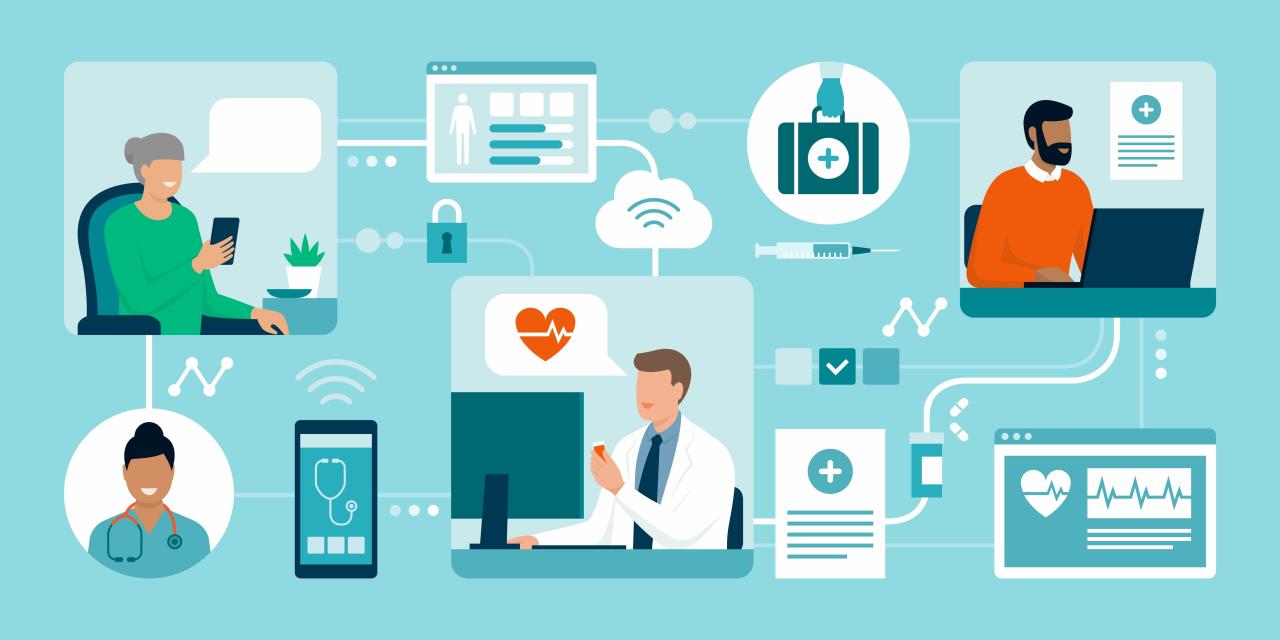
Integrating health records with telemedicine can have a significant impact on healthcare costs by streamlining processes, reducing administrative expenses, and improving overall efficiency in delivering care.
Cost-Effectiveness of Telemedicine Consultations
Telemedicine consultations are often more cost-effective than traditional in-person healthcare visits due to the elimination of travel expenses, reduced overhead costs for healthcare facilities, and increased access to timely care for patients. Additionally, telemedicine can help prevent unnecessary emergency room visits or hospitalizations, leading to overall cost savings for both patients and healthcare systems.
Potential Cost Savings with Improved Integration
Improved integration of health records and telemedicine can lead to significant cost savings for patients and healthcare systems. By allowing healthcare providers to access and share patient information more easily, unnecessary duplicate tests or procedures can be avoided, leading to reduced healthcare costs. Additionally, telemedicine can help patients avoid missing work for in-person appointments, resulting in potential financial savings for individuals and employers alike.
Healthcare Providers
Telemedicine integration with health records can significantly streamline workflows for healthcare providers. By having real-time access to patient health records during virtual consultations, providers can make more informed decisions quickly, leading to improved efficiency and patient outcomes.
Enhanced Collaboration
- Telemedicine allows healthcare professionals from different specialties to access and share a patient’s health records seamlessly, promoting collaboration in treatment planning.
- With shared health records, specialists can review past medical history, test results, and treatment plans in real-time, leading to more coordinated and effective care.
Real-Time Access Benefits
- During telemedicine consultations, healthcare providers can instantly pull up patient health records, enabling them to make accurate diagnoses and treatment recommendations without delay.
- Having access to real-time data like lab results, medication history, and imaging reports enhances the quality of care delivered during virtual visits.
Health Insurance
Health insurance companies play a crucial role in promoting the integration of health records with telemedicine. By covering telemedicine services in their plans, insurers can help improve patient outcomes, streamline healthcare delivery, and reduce costs. Integrated health records also have a significant impact on insurance claims processing and reimbursement for telemedicine services, making the entire process more efficient and transparent.
Role of Health Insurance Companies
- Health insurance companies can incentivize healthcare providers to adopt telemedicine by offering coverage for virtual consultations and remote monitoring.
- Insurers can partner with telemedicine platforms to ensure seamless integration of health records, enabling better coordination of care and improved patient experiences.
- By supporting the use of telemedicine, insurance companies can help expand access to healthcare services, especially in underserved areas or for patients with mobility limitations.
Impact on Patient Outcomes
- Coverage of telemedicine services by health insurance plans can lead to earlier detection of health issues, timely interventions, and better management of chronic conditions.
- Patients who can access telemedicine services through their insurance are more likely to seek medical advice promptly, leading to improved health outcomes and reduced hospitalizations.
- Integrated health records allow healthcare providers to make informed decisions based on a patient’s complete medical history, resulting in personalized treatment plans and better health outcomes.
Claims Processing and Reimbursement
- Integrated health records streamline the documentation process for telemedicine consultations, enabling accurate coding of services and faster claims processing by insurance companies.
- Health insurers can verify the medical necessity of telemedicine services more efficiently with access to integrated health records, leading to quicker approvals and reimbursements for providers.
- By reducing administrative burden and improving billing accuracy, integrated health records contribute to a more sustainable telemedicine reimbursement model, benefiting both providers and insurance companies.
Health Policies
Health policies play a crucial role in shaping the landscape of healthcare delivery, especially in the context of integrating health records with telemedicine. These policies govern how healthcare providers interact with technology, protect patient privacy, and ensure quality care. Analyzing current health policies related to this integration is essential to understand the existing framework and identify potential areas for improvement.
Current Regulations and Policies
- Health Insurance Portability and Accountability Act (HIPAA) regulations set standards for the protection of patient health information, including when using telemedicine.
- Medicare and Medicaid policies have expanded coverage for telemedicine services, but reimbursement policies may vary based on state regulations.
- State medical boards regulate the practice of telemedicine, including licensure requirements for healthcare providers.
Potential Policy Changes
- Streamlining licensure processes for healthcare providers practicing telemedicine across state lines to improve access to care.
- Updating reimbursement policies to ensure equitable payment for telemedicine services and encourage adoption among healthcare providers.
- Establishing guidelines for data sharing and interoperability to facilitate seamless integration of health records across different telemedicine platforms.
Regulatory Challenges and Opportunities
- Balancing patient privacy with the need for data sharing in integrated health records to ensure compliance with HIPAA regulations.
- Addressing disparities in access to telemedicine services based on geographical location and socioeconomic factors through policy interventions.
- Collaborating with stakeholders to develop standardized protocols for telemedicine practice while navigating regulatory complexities at both federal and state levels.
Health Records
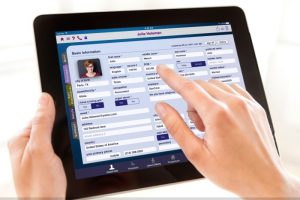
Health records play a crucial role in telemedicine, as they provide essential information about a patient’s medical history, current conditions, medications, allergies, and more. Integrating health records with telemedicine platforms enables healthcare providers to make informed decisions and provide better care remotely.
Types of Health Records Integrated with Telemedicine Platforms
- Electronic Health Records (EHR): These digital records contain comprehensive patient information, including medical history, diagnoses, medications, treatment plans, immunization dates, allergies, radiology images, and laboratory test results.
- Personal Health Records (PHR): PHRs are patient-controlled records that include information on medical history, medications, allergies, immunizations, lab results, and other health-related data.
- Medical Images: Integration of medical images such as X-rays, MRIs, CT scans, and ultrasounds allows healthcare providers to visualize and assess patient conditions remotely.
Importance of Data Security and Privacy in Health Records Integration
Protecting patient data is paramount when integrating health records with telemedicine platforms. Data security measures such as encryption, access controls, secure connections, and regular audits help prevent unauthorized access, breaches, and data leaks. Ensuring compliance with regulations like HIPAA (Health Insurance Portability and Accountability Act) is crucial to maintaining patient trust and confidentiality.
Interoperability Standards and Technologies for Health Records Integration
- HL7 (Health Level Seven) Standards: HL7 standards define messaging formats and protocols for the exchange of health information between different healthcare systems and applications.
- Fast Healthcare Interoperability Resources (FHIR): FHIR is a standard for exchanging healthcare information electronically, providing a framework for interoperability and data exchange in a secure and scalable manner.
- Application Programming Interfaces (APIs): APIs allow different systems to communicate and exchange data seamlessly, enabling the integration of health records from various sources into telemedicine platforms.
Health Screening
Integrating health records with telemedicine can significantly improve the efficiency of health screening processes by allowing healthcare providers to access patient data remotely, leading to quicker and more accurate assessments. This seamless integration enables a more streamlined approach to conducting screenings, reducing the need for multiple in-person appointments and paperwork.
Remote Monitoring and Screening for Chronic Conditions
- Telemedicine allows for remote monitoring of chronic conditions such as diabetes, hypertension, and heart disease through wearable devices and telehealth platforms.
- Health records integration ensures that real-time data from these devices is captured and stored securely, enabling healthcare providers to track progress and make timely interventions.
- Patients with chronic conditions can receive ongoing care and monitoring from the comfort of their homes, reducing the burden of frequent clinic visits and improving overall health outcomes.
Personalized Health Screening Programs
- Integrated health records in telemedicine support the development of personalized health screening programs tailored to each individual’s medical history, risk factors, and preferences.
- Providers can use data from health records to recommend specific screenings based on age, gender, family history, and lifestyle factors, ensuring a more targeted and effective approach to preventive care.
- By utilizing telemedicine for these personalized screenings, patients can access necessary healthcare services conveniently and proactively, leading to early detection and treatment of potential health issues.
In conclusion, the integration of health records with telemedicine holds immense potential to transform the way healthcare is accessed, delivered, and managed. As we navigate the complexities of modern healthcare systems, leveraging technology to enhance patient care remains at the forefront of innovation.
Commonly Asked Questions
How does integrating health records with telemedicine benefit patients?
Integrating health records with telemedicine allows for seamless access to medical history, enabling more personalized and efficient care.
What are the challenges faced in implementing integrated health records and telemedicine?
Some challenges include data security concerns, interoperability issues between systems, and regulatory obstacles that need to be addressed.