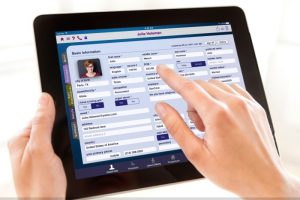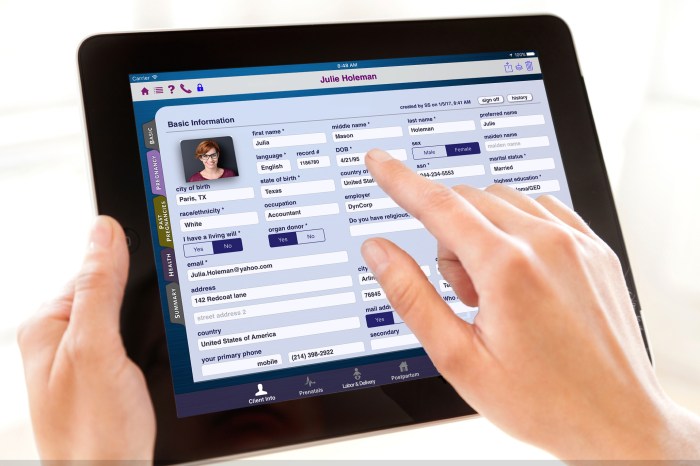
Starting with the concept of Mobile Health Records Access, this innovative approach revolutionizes how patients and healthcare providers interact and manage health information. By exploring the intersection of technology and healthcare, we delve into the possibilities and benefits that come with this digital transformation.
As we navigate through the various aspects of Mobile Health Records Access, we uncover its impact on healthcare access, costs, providers, insurance, policies, records security, and health screening. Let’s explore the potential of this technology to reshape the healthcare landscape.
Healthcare Access
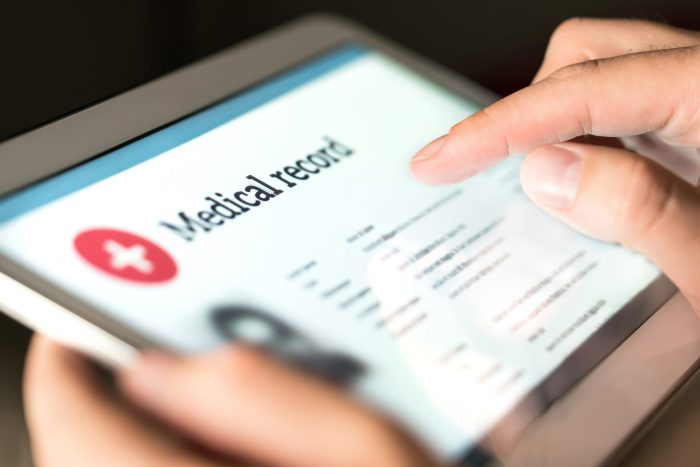
Mobile health records access plays a crucial role in improving healthcare access for patients by providing them with a convenient way to manage their health information. This access allows individuals to have their medical records readily available at their fingertips, enabling faster and more efficient healthcare services.
Bridge the Gap for Remote or Underserved Areas
In remote or underserved areas where access to healthcare facilities may be limited, mobile health records can bridge the gap by allowing patients to connect with healthcare providers virtually. This technology enables individuals in these areas to receive timely medical advice, consultations, and even prescriptions without the need to physically visit a healthcare facility.
Enhance Communication Between Patients and Healthcare Providers
Mobile health records access enhances communication between patients and healthcare providers by enabling seamless sharing of information. Patients can easily update their medical history, symptoms, and treatment progress, while healthcare providers can access this information in real-time. This improved communication leads to better-informed decisions, personalized care, and ultimately better health outcomes for patients.
Healthcare Costs
Mobile health records access has the potential to significantly reduce healthcare costs for patients by streamlining processes, improving efficiency, and promoting preventive care.
Cost-Saving Measures
Implementing mobile health records access can lead to various cost-saving measures, such as:
- Reduction in administrative costs by eliminating paperwork and manual data entry.
- Minimization of duplicate tests and procedures through easy access to comprehensive medical histories.
- Enhanced coordination of care among healthcare providers, preventing unnecessary visits and treatments.
Impact on Preventive Care
Mobile health records access plays a crucial role in promoting preventive care, which in turn can help reduce long-term healthcare costs by:
- Enabling patients to track their health data, monitor chronic conditions, and adhere to preventive care schedules.
- Facilitating early detection of health issues through real-time monitoring and alerts, leading to timely interventions and cost-effective treatments.
- Promoting patient education and engagement in managing their health, ultimately reducing the risk of developing costly chronic conditions.
Healthcare Providers
Mobile health records access can greatly streamline information sharing among healthcare providers, leading to more efficient and coordinated care for patients. This technology allows healthcare professionals to access a patient’s medical history, test results, medications, and treatment plans in real-time, regardless of their location. By having instant access to this critical information, providers can make more informed decisions, collaborate effectively, and ensure continuity of care.
Benefits of Real-Time Access
- Improved Patient Care: Healthcare providers can make quicker and more accurate diagnoses, leading to better treatment outcomes.
- Enhanced Communication: Real-time access to patient records enables seamless communication between different providers involved in a patient’s care.
- Reduced Errors: Having updated and comprehensive information at their fingertips helps providers avoid medication errors, duplicate tests, and unnecessary procedures.
- Increased Efficiency: Mobile health records access saves time by eliminating the need for manual record retrieval and ensures that providers have the most up-to-date information available.
- Better Patient Engagement: Providers can engage with patients more effectively by sharing information and involving them in decision-making processes.
Challenges in Implementation
- Privacy and Security Concerns: Healthcare providers must ensure that patient data is protected and compliant with privacy regulations when using mobile health records access.
- Interoperability Issues: Different systems and platforms may not always communicate seamlessly, leading to challenges in integration and data sharing among healthcare providers.
- Training and Adoption: Providers need adequate training to effectively utilize mobile health records access, and some may face resistance or reluctance in adopting new technology.
- Costs and Resources: Implementing and maintaining mobile health records access can require significant investments in technology infrastructure and staff training, which may be a barrier for some healthcare providers.
- Lack of Standardization: Without standardized protocols for data exchange, healthcare providers may struggle to access and interpret information consistently across different platforms.
Health Insurance
Health insurance companies play a crucial role in the healthcare ecosystem, providing coverage for medical expenses to individuals and families. In recent years, there has been a growing emphasis on leveraging technology to improve access to healthcare services, including the use of mobile health records.
Role in Promoting Mobile Health Records Access
Health insurance companies can promote mobile health records access by incentivizing policyholders to use mobile apps or platforms to manage their health information. By encouraging the adoption of these tools, insurance providers can help individuals take a more proactive approach to their healthcare and improve overall health outcomes.
- Offering discounts or rewards for policyholders who regularly update their mobile health records.
- Partnering with healthcare providers to ensure seamless integration of mobile health records into the claims process.
- Providing educational resources on the benefits of mobile health records and how they can streamline communication between patients and healthcare professionals.
Benefits of Integration into Health Insurance Policies
Integrating mobile health records access into health insurance policies can lead to several advantages for both insurers and policyholders. This integration can enhance the efficiency of healthcare delivery and improve patient outcomes by enabling timely access to critical health information.
- Reducing paperwork and administrative burden for both insurance companies and healthcare providers.
- Facilitating quicker and more accurate claims processing, leading to faster reimbursement for medical services.
- Empowering individuals to take a more active role in managing their health and making informed decisions about their care.
Improving Efficiency of Health Insurance Claims Processing
Mobile health records access can streamline the health insurance claims process by providing insurers with real-time access to policyholders’ medical information. This can lead to faster claims adjudication, reduced errors, and improved communication between insurers, healthcare providers, and patients.
- Enabling insurers to verify the eligibility of services and treatments more efficiently.
- Enhancing coordination of care among different healthcare providers involved in a patient’s treatment plan.
- Reducing the risk of duplicate testing or procedures by ensuring that all relevant health information is easily accessible.
Health Policies
Currently, the policies and regulations surrounding mobile health records access are aimed at protecting patient privacy and ensuring the security of health information. These policies dictate who can access the information, how it can be shared, and what security measures must be in place to safeguard data.
Supporting Adoption of Mobile Health Records Access
- Policymakers can support the adoption of mobile health records access on a larger scale by incentivizing healthcare providers to implement mobile-friendly systems. This can be done through funding or grants to help cover the costs of technology integration.
- Creating standardized guidelines and protocols for mobile health record access can also help streamline the process and ensure consistency across different healthcare settings.
- Encouraging collaboration between technology companies, healthcare providers, and policymakers can lead to the development of user-friendly and secure mobile health record platforms.
Ethical Considerations of Sharing Health Information
Sharing health information through mobile platforms raises ethical considerations regarding patient consent, data security, and potential breaches of privacy. It is crucial for policymakers to establish clear guidelines on how health information can be shared and accessed to protect patient rights.
Health Records
Mobile health records access comes with robust security measures to protect sensitive patient information. Encryption technologies, secure login credentials, and remote wipe capabilities are commonly used to ensure data privacy and prevent unauthorized access.
Advantages of Instant Access
- Improved Patient Care: Instant access to updated health records allows healthcare providers to make informed decisions quickly, leading to better patient outcomes.
- Enhanced Care Coordination: Mobile access to health records enables seamless communication between healthcare professionals, resulting in improved care coordination for patients with complex medical needs.
- Emergency Situations: In critical situations, immediate access to health records on mobile devices can provide vital information to first responders and healthcare providers, potentially saving lives.
Examples of Improved Patient Outcomes
- Avoiding Medication Errors: By having real-time access to a patient’s medication history, healthcare providers can prevent harmful drug interactions or dosage errors.
- Chronic Disease Management: Patients with chronic conditions, such as diabetes or hypertension, can benefit from continuous monitoring and timely interventions made possible through mobile health records access.
- Remote Consultations: Telemedicine consultations are made more effective when healthcare providers can access a patient’s complete medical history and test results remotely, leading to accurate diagnoses and treatment plans.
Health Screening
Mobile health records access plays a crucial role in facilitating easier access to health screening results. Individuals can conveniently view their screening reports, track their health progress, and stay informed about any abnormalities or concerns through their mobile devices.
Implications of Timely Health Screening Reminders
Timely health screening reminders sent through mobile platforms can significantly improve adherence to screening schedules and increase early detection of health conditions. Patients are more likely to prioritize their health when they receive personalized reminders on their smartphones, leading to better health outcomes.
Impact of Mobile Health Records Access on Health Screening Initiatives
- Improved Patient Engagement: Mobile access to health records encourages active participation in screening programs, leading to increased awareness and compliance among individuals.
- Efficient Data Management: Healthcare providers can easily access and update screening results on mobile platforms, streamlining the process and ensuring timely follow-ups.
- Enhanced Preventive Care: Mobile health records access enables healthcare professionals to identify high-risk individuals and recommend preventive screenings, ultimately reducing the burden of chronic diseases.
In conclusion, Mobile Health Records Access emerges as a game-changer in the realm of healthcare, offering a glimpse into a future where information flows seamlessly, costs are reduced, and patient outcomes are improved. Embracing this digital evolution holds the key to unlocking a new era of healthcare efficiency and effectiveness.
FAQ Corner
How can mobile health records access improve communication between patients and healthcare providers?
Mobile health records enable real-time sharing of information, leading to better coordination of care and enhanced patient-provider interactions.
What role do health insurance companies play in promoting mobile health records access?
Health insurance companies can incentivize the adoption of mobile health records by offering discounts or benefits for utilizing digital health platforms.
Are there specific policies in place to regulate mobile health records access?
Current policies focus on data privacy and security, ensuring that patient information remains confidential and protected when accessed through mobile devices.