Exploring the realm of Affordable Healthcare Access, this introduction delves into the critical aspects of overcoming barriers and managing costs effectively, setting the stage for an insightful discussion.
From the challenges faced by communities to the strategies for cost reduction, this topic encompasses diverse elements crucial for ensuring accessible and affordable healthcare for all.
Healthcare Access
Affordable healthcare access is crucial for ensuring that individuals can receive necessary medical care without facing financial hardship. It allows people to seek preventive care, manage chronic conditions, and address acute health issues promptly, leading to better overall health outcomes and quality of life.
Barriers to Healthcare Access
- Lack of Health Insurance Coverage: Without insurance, individuals may delay or forgo necessary medical care due to cost concerns.
- High Out-of-Pocket Costs: Even with insurance, high deductibles, copayments, and coinsurance can be barriers to accessing care.
- Geographic Barriers: Limited availability of healthcare providers in rural or underserved areas can make it difficult for individuals to access timely care.
- Language and Cultural Barriers: Limited proficiency in English or lack of culturally competent care may prevent individuals from seeking healthcare services.
Impact of Limited Healthcare Access on Communities
- Health Disparities: Communities with limited healthcare access often experience higher rates of chronic diseases, preventable hospitalizations, and overall poorer health outcomes.
- Economic Burden: Lack of access to affordable healthcare can lead to increased healthcare costs in the long run, as individuals may delay care until conditions worsen and require more extensive treatment.
- Productivity Loss: When individuals are unable to access timely care, they may experience more sick days and reduced productivity, impacting both individual and community economic well-being.
Healthcare Costs

Healthcare costs have been a growing concern worldwide, impacting individuals, families, and entire economies. Understanding the factors contributing to rising healthcare costs, comparing costs in different regions, and exploring strategies to reduce these costs without compromising quality are crucial steps towards achieving affordable and accessible healthcare for all.
Factors Contributing to Rising Healthcare Costs
- Medical Technology Advancements: The development of new medical technologies and treatments often comes with high costs, which are passed on to patients.
- Administrative Costs: The complex healthcare system requires a significant amount of administrative work, leading to increased costs.
- Aging Population: As the population ages, the demand for healthcare services increases, putting pressure on healthcare systems and driving costs up.
- Chronic Diseases: The rise in chronic diseases, such as diabetes and heart disease, requires ongoing care and management, contributing to higher healthcare costs.
Comparison of Healthcare Costs in Different Regions
- The United States: Known for having some of the highest healthcare costs globally, the U.S. faces challenges in affordability and accessibility.
- European Countries: Many European countries have universal healthcare systems, leading to lower overall costs for individuals and the government.
- Developing Countries: Healthcare costs in developing countries vary widely, with limited access to quality care and affordability issues for many individuals.
Strategies to Reduce Healthcare Costs Without Compromising Quality
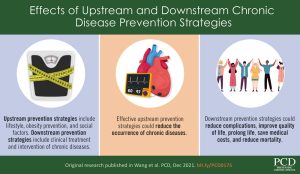
- Preventive Care: Emphasizing preventive care can help reduce the need for expensive treatments and hospitalizations in the long run.
- Value-Based Care: Shifting towards value-based care focuses on delivering high-quality care efficiently, reducing unnecessary costs.
- Technology Integration: Leveraging technology, such as telemedicine and electronic health records, can streamline processes and reduce administrative costs.
- Transparency and Competition: Increasing transparency in pricing and promoting competition among healthcare providers can drive down costs for consumers.
Healthcare Providers
Healthcare providers play a crucial role in ensuring affordable access to healthcare services for individuals and communities. They are responsible for delivering quality care, diagnosing illnesses, providing treatments, and promoting preventive health measures. By collaborating with other healthcare professionals and organizations, they work towards improving health outcomes and reducing healthcare costs.
Innovative Healthcare Delivery Models
Innovative healthcare delivery models have been developed to enhance access to care and improve efficiency in healthcare delivery. Examples include telemedicine, which allows patients to consult with healthcare providers remotely through video calls or phone calls. Retail clinics located in pharmacies or grocery stores provide convenient access to basic medical services. Another model is accountable care organizations (ACOs), which focus on coordinating care among different providers to improve quality and reduce costs.
Shortage of Healthcare Providers
The shortage of healthcare providers, such as physicians, nurses, and other allied health professionals, poses a significant challenge to access to care. In underserved areas, where healthcare providers are scarce, individuals may face barriers in receiving timely and appropriate medical attention. This shortage can lead to longer wait times, limited access to specialized care, and increased healthcare costs. Efforts to address this issue include expanding training programs, recruiting more providers to underserved areas, and promoting interdisciplinary teamwork among healthcare professionals.
Health Insurance
Health insurance plays a crucial role in ensuring access to quality healthcare for individuals and families. It provides financial protection against high medical costs and allows people to seek necessary medical treatment without worrying about the burden of expenses.
Types of Health Insurance Plans
- Health Maintenance Organization (HMO): HMO plans require individuals to choose a primary care physician and get referrals for specialist visits. They usually have lower out-of-pocket costs but restricted provider networks.
- Preferred Provider Organization (PPO): PPO plans offer more flexibility in choosing healthcare providers and do not require referrals for specialists. However, they tend to have higher premiums and out-of-pocket costs.
- High Deductible Health Plan (HDHP): HDHPs come with lower premiums but higher deductibles. They are often paired with Health Savings Accounts (HSAs) to help individuals save for medical expenses.
Impact of Lack of Health Insurance
Not having health insurance can significantly hinder individuals’ access to healthcare. Without coverage, people may delay or forgo necessary medical care due to cost concerns, leading to worsened health outcomes and higher healthcare costs in the long run. Lack of insurance also limits preventive care and early detection of health issues, increasing the risk of more severe health conditions.
Health Policies
Health policies play a crucial role in shaping the healthcare landscape and ensuring access to affordable and quality care for all individuals.
Existing Healthcare Policies
Existing healthcare policies are aimed at improving access to healthcare services for all individuals, regardless of their socio-economic status. These policies focus on initiatives such as expanding Medicaid coverage, increasing funding for community health centers, and implementing telehealth services to reach underserved populations.
- Medicaid Expansion: Several states have expanded Medicaid eligibility to cover more low-income individuals, providing them with access to essential healthcare services.
- Community Health Centers: Increased funding for community health centers has allowed more individuals to access primary care services in their communities, reducing the burden on emergency rooms.
- Telehealth Services: The integration of telehealth services has improved access to healthcare for individuals in rural areas or those with limited mobility, enabling them to consult with healthcare providers remotely.
Government Regulation of Healthcare Costs
The government plays a crucial role in regulating healthcare costs to ensure affordability and prevent price gouging by healthcare providers. Through policies and regulations, the government aims to create a more transparent and competitive healthcare market.
- Price Transparency: Government regulations require healthcare providers to disclose pricing information for medical services, allowing patients to make informed decisions about their healthcare expenses.
- Anti-Price Gouging Laws: Legislation is in place to prevent healthcare providers from engaging in unethical practices such as price gouging, ensuring that healthcare costs remain reasonable and affordable for all individuals.
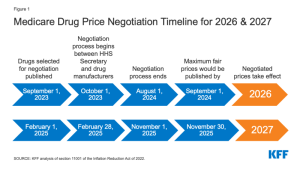
- Medicare and Medicaid Reimbursement Rates: The government sets reimbursement rates for Medicare and Medicaid services, influencing overall healthcare costs and ensuring that providers are adequately compensated for their services.
Successful Health Policy Implementations
Several successful health policy implementations have led to improved access to healthcare services and better health outcomes for individuals across the country. These policies have addressed key healthcare challenges and made significant strides in improving the overall healthcare system.
- The Affordable Care Act (ACA): The ACA expanded access to health insurance coverage for millions of Americans, reducing the uninsured rate and providing essential health benefits to individuals.
- The Children’s Health Insurance Program (CHIP): CHIP has provided health insurance coverage to millions of children from low-income families, ensuring they have access to necessary healthcare services.
- The Mental Health Parity and Addiction Equity Act: This act requires health insurance plans to provide equal coverage for mental health and substance use disorder services, reducing disparities in access to mental healthcare.
Health Records
Electronic health records play a crucial role in improving access to healthcare services by providing a streamlined and efficient way for healthcare providers to access patient information.
Significance of Electronic Health Records
- Facilitate quick access to patient information, leading to faster diagnosis and treatment.
- Reduce paperwork and administrative burdens, allowing healthcare providers to focus more on patient care.
- Enable secure sharing of medical records among different healthcare facilities, ensuring continuity of care.
Benefits of Easily Accessible Health Records for Patients
- Empower patients to take an active role in their healthcare by providing easy access to their medical history and test results.
- Improve coordination of care between healthcare providers, leading to better outcomes for patients.
- Enhance communication between patients and healthcare providers, fostering a more collaborative approach to healthcare.
Security and Privacy Concerns
While electronic health records offer many benefits, there are important security and privacy concerns that need to be addressed to protect patient information.
- Implementing robust security measures, such as encryption and access controls, to prevent unauthorized access to sensitive health data.
- Adhering to strict privacy regulations, like HIPAA, to ensure the confidentiality of patient information.
- Educating healthcare staff on the importance of safeguarding patient records and maintaining patient privacy.
Health Screening
Regular health screenings play a crucial role in preventive care by detecting potential health issues early on, allowing for timely intervention and treatment. This proactive approach can significantly improve health outcomes and quality of life.
Common Health Screenings by Age Group
- Children and Adolescents: Regular pediatric check-ups for growth, development, and vaccinations.
- Adults (18-64 years): Blood pressure checks, cholesterol screenings, diabetes screenings, and cancer screenings (e.g., mammograms, colonoscopies).
- Elderly (65+ years): Osteoporosis screenings, hearing and vision tests, cognitive assessments, and screenings for conditions like heart disease and stroke.
Importance of Access to Affordable Health Screenings
Affordable health screenings are essential in ensuring that individuals have access to preventive care measures. By making screenings financially accessible, more people are likely to undergo these tests, leading to early detection of health issues, reduced healthcare costs in the long run, and ultimately better health outcomes for the population.
As we conclude our discussion on Affordable Healthcare Access, it becomes evident that addressing barriers, managing costs efficiently, and enhancing healthcare delivery models are vital steps towards a healthier society with equitable access to quality care.
FAQ Insights
How can affordable healthcare access benefit communities?
Affordable healthcare access can lead to improved overall health outcomes, reduced healthcare disparities, and enhanced quality of life for individuals and communities.
What are some innovative healthcare delivery models?
Examples include telemedicine services, mobile health clinics, and community health worker programs, which aim to increase access to care and improve health outcomes.
How does the shortage of healthcare providers impact access to care?
A shortage of providers can lead to longer wait times, limited access to specialized care, and increased burden on existing healthcare professionals, affecting the overall quality of healthcare services.