Embark on a journey to discover the secrets of finding affordable health insurance, ensuring you have access to quality healthcare without breaking the bank.
Healthcare costs, providers, insurance plans, policies, records, and screenings are all vital aspects to consider when seeking affordable health insurance.
Healthcare Access
Accessing healthcare services is crucial for maintaining one’s well-being and addressing medical needs in a timely manner. There are various ways individuals can access healthcare facilities, each with its own benefits and challenges.
Different Ways to Access Healthcare Services
- Primary Care Physicians: Many individuals access healthcare services through primary care physicians who serve as the first point of contact for medical needs.
- Urgent Care Centers: For non-life-threatening medical issues that require immediate attention, urgent care centers provide a convenient option outside of regular office hours.
- Emergency Rooms: In cases of severe injuries or life-threatening conditions, emergency rooms offer critical care services 24/7.
- Telemedicine: With advancements in technology, telemedicine allows individuals to consult healthcare providers remotely through video calls or phone consultations.
Importance of Having Easy Access to Healthcare Facilities
Access to healthcare facilities is essential for promoting preventive care, managing chronic conditions, and addressing acute medical needs promptly. Easy access to healthcare services can lead to improved health outcomes, reduced healthcare costs in the long term, and increased overall well-being.
Impact of Limited Healthcare Access on Individuals and Communities
Limited healthcare access can have detrimental effects on individuals and communities, leading to delayed diagnosis and treatment, increased healthcare disparities, and higher rates of preventable diseases. Lack of access to healthcare facilities can result in poorer health outcomes, higher healthcare costs, and reduced quality of life for those affected.
Healthcare Costs
The cost of healthcare can vary significantly depending on various factors. Understanding what contributes to high healthcare costs and strategies for reducing expenses can help individuals and families manage their healthcare spending more effectively.
Factors Contributing to High Healthcare Costs
- Administrative Costs: The complexity of billing and insurance processes can lead to higher administrative expenses for healthcare providers.
- Technology and Innovation: While advancements in medical technology can improve patient outcomes, they often come with a high price tag, contributing to overall healthcare costs.
- Prescription Drug Prices: The rising cost of prescription medications can significantly impact healthcare expenses for individuals and insurers.
- Chronic Conditions: Managing chronic conditions such as diabetes or heart disease requires ongoing care and monitoring, leading to increased healthcare costs.
- Emergency Care: Visits to the emergency room for non-emergency issues can result in expensive medical bills.
Strategies for Reducing Healthcare Expenses
- Preventive Care: Investing in preventive measures such as regular check-ups and screenings can help identify health issues early, potentially reducing the need for costly treatments later on.
- Comparison Shopping: Researching and comparing prices for healthcare services, procedures, and medications can help individuals find more affordable options.
- Utilizing Telemedicine: Virtual healthcare visits can be a cost-effective alternative to in-person appointments for certain medical concerns.
- Health Savings Accounts (HSAs): Setting aside pre-tax dollars in an HSA can help individuals save for medical expenses and reduce their taxable income.
- Negotiating Bills: Patients can often negotiate medical bills with healthcare providers or seek financial assistance programs to help lower their out-of-pocket costs.
Regional and International Healthcare Cost Disparities
- Healthcare costs can vary significantly between regions and countries due to differences in healthcare systems, insurance coverage, and pricing structures.
- For example, the cost of a medical procedure in the United States may be much higher than the same procedure performed in a different country with lower healthcare costs.
- Factors such as government regulations, provider reimbursement rates, and overall healthcare spending can all influence the cost of healthcare services in different regions or countries.
Healthcare Providers
Healthcare providers play a crucial role in delivering quality care to patients. They are trained professionals who are responsible for diagnosing, treating, and managing various health conditions. Here are some different types of healthcare providers and how to choose the right one for your specific needs:
Types of Healthcare Providers
- Doctors: Physicians who are trained to diagnose and treat illnesses, prescribe medications, and provide preventive care.
- Nurses: Registered nurses, nurse practitioners, and licensed practical nurses who provide patient care, administer medications, and educate patients about their health.
- Specialists: Healthcare providers who focus on specific areas of medicine, such as cardiologists, dermatologists, or neurologists, and provide specialized care for particular conditions.
Choosing the Right Healthcare Provider
When choosing a healthcare provider, consider factors such as their qualifications, experience, and communication style. It is essential to find a provider who understands your needs and preferences and can work with you to create a personalized treatment plan. You can ask for recommendations from friends or family, check online reviews, or consult with your insurance provider for a list of in-network providers.
Health Insurance
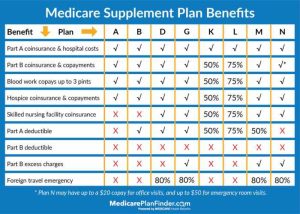
Health insurance is a type of coverage that helps individuals pay for medical expenses, providing financial protection in case of illness or injury. It is essential to have health insurance to ensure access to quality healthcare without facing significant financial burdens.
Types of Health Insurance Plans
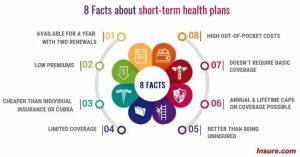
Health insurance plans can vary in terms of coverage and cost. Here are some common types of health insurance plans:
- Health Maintenance Organization (HMO): HMO plans require you to choose a primary care physician (PCP) who coordinates your care and provides referrals to specialists. These plans often have lower out-of-pocket costs but limit your choice of healthcare providers.
- Preferred Provider Organization (PPO): PPO plans offer more flexibility in choosing healthcare providers and do not require referrals to see specialists. However, they tend to have higher premiums and out-of-pocket costs.
- Exclusive Provider Organization (EPO): EPO plans combine aspects of HMO and PPO plans. They typically do not cover out-of-network care but offer lower costs compared to PPO plans.
Tips for Selecting Affordable Health Insurance Coverage
When choosing a health insurance plan, consider the following tips to find affordable coverage:
- Compare premiums, deductibles, and copayments to determine the overall cost of the plan.
- Check if your preferred healthcare providers are in-network to avoid additional costs.
- Consider your healthcare needs and choose a plan that covers essential services without unnecessary extras.
- Explore government subsidies or employer-sponsored options for potential cost savings.
- Review the plan’s prescription drug coverage and any limitations on medications you may need.
Health Policies
Health policies play a crucial role in determining the accessibility and affordability of healthcare services for individuals and families. These policies set the framework for how healthcare systems operate, impacting everything from insurance coverage to the cost of medical treatments.
Impact on Access and Affordability
- Health policies can either expand or restrict access to healthcare services based on factors such as eligibility criteria, provider networks, and coverage options.
- Changes in health policies can influence the cost of health insurance premiums, deductibles, and out-of-pocket expenses, making healthcare more or less affordable for individuals and families.
- Policy decisions related to funding for public health programs and subsidies can directly affect the affordability of healthcare services for vulnerable populations.
Recent Healthcare Policy Changes
- Recent healthcare policy changes, such as the Affordable Care Act (ACA) in the United States, have aimed to increase access to affordable health insurance coverage for millions of Americans.
- Repeal or modifications to existing healthcare policies can lead to uncertainty in the healthcare market, affecting insurance options and costs for individuals and families.
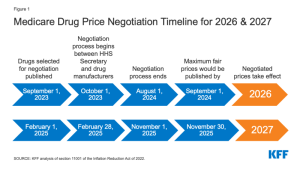
- Policy changes related to prescription drug pricing, telehealth services, and preventive care can impact both access to care and the overall affordability of healthcare services.
Health Records
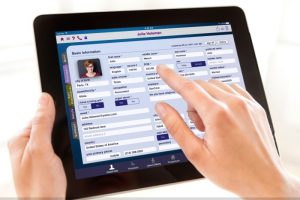
Maintaining accurate health records is crucial for providing effective healthcare. Electronic health records (EHRs) have revolutionized the way patient information is stored and accessed, leading to improved patient care. However, there are security and privacy concerns that must be addressed to safeguard sensitive health information.
Importance of Maintaining Accurate Health Records
- Accurate health records ensure that healthcare providers have access to up-to-date information about a patient’s medical history, medications, allergies, and treatments.
- Having detailed and precise health records can help in making accurate diagnoses, creating personalized treatment plans, and monitoring the progress of a patient’s health over time.
- Health records serve as a valuable tool for healthcare coordination among different providers, ensuring seamless communication and continuity of care.
How Electronic Health Records Improve Patient Care
- Electronic health records allow for easy access to patient information from any location, facilitating quick decision-making and enhancing efficiency in healthcare delivery.
- Through EHRs, healthcare providers can reduce medical errors, streamline administrative tasks, and improve overall patient outcomes by providing evidence-based care.
- Integration of electronic health records with other healthcare systems enables better communication among providers, leading to coordinated and comprehensive care for patients.
Security and Privacy Concerns Related to Health Records
- Protecting the security of electronic health records is essential to prevent unauthorized access, data breaches, and identity theft, which can compromise patient confidentiality and trust in the healthcare system.
- Healthcare organizations must implement robust security measures, encryption techniques, access controls, and regular audits to safeguard sensitive health information stored in electronic records.
- Ensuring compliance with privacy regulations such as HIPAA (Health Insurance Portability and Accountability Act) is imperative to maintain patient privacy and confidentiality in the digital age of healthcare.
Health Screening
Regular health screenings play a crucial role in maintaining overall health and well-being. These screenings help in early detection, prevention, and management of various diseases, allowing for timely interventions and treatments.
Common Health Screenings by Age Group
- For Children and Adolescents:
- Regular pediatric check-ups for growth and development monitoring
- Vaccinations as per the recommended schedule
- Screenings for vision, hearing, and dental health
- For Adults:
- Blood pressure and cholesterol checks
- Screenings for diabetes and obesity
- Cancer screenings such as mammograms, Pap smears, and colonoscopies
- For Older Adults:
- Osteoporosis screenings
- Regular eye exams for age-related conditions
- Screenings for cognitive function and memory loss
Contribution of Health Screenings to Early Detection and Prevention
Regular health screenings can detect health issues at an early stage when they are most treatable. By identifying risk factors and warning signs through screenings, individuals can take proactive steps to prevent the onset of diseases or manage existing conditions effectively. Early detection not only improves treatment outcomes but also reduces healthcare costs in the long run.
By understanding the intricacies of healthcare access, costs, providers, insurance, policies, records, and screenings, you can make informed decisions to secure affordable health insurance that meets your needs.
General Inquiries
How can I reduce healthcare expenses?
One way to reduce healthcare expenses is to compare prices of services and procedures among different providers to find the most affordable option.
What are the common types of health insurance plans?
Common types include HMO (Health Maintenance Organization), PPO (Preferred Provider Organization), and EPO (Exclusive Provider Organization) plans.
Why is it important to maintain accurate health records?
Maintaining accurate health records ensures that healthcare providers have the necessary information to provide you with appropriate care and treatment.