Embark on a journey through the realm of Medicare Health Insurance Plans, exploring the intricacies of coverage, costs, and access to healthcare services. Get ready to unravel the complexities of this vital healthcare system.
Medicare Health Insurance Plans Overview
Medicare Health Insurance Plans are a set of government-sponsored healthcare plans designed to provide coverage for individuals aged 65 and older, as well as certain younger individuals with disabilities. These plans help cover a variety of healthcare services, including hospital stays, doctor visits, prescription drugs, and preventive care.
Parts of Medicare
- Part A (Hospital Insurance): Covers inpatient hospital stays, skilled nursing facility care, hospice care, and some home health care.
- Part B (Medical Insurance): Covers outpatient care, doctor visits, preventive services, and some medical supplies.
- Part C (Medicare Advantage): Offers an alternative way to receive Medicare benefits through private insurance companies that are approved by Medicare.
- Part D (Prescription Drug Coverage): Helps cover the cost of prescription drugs.
Eligibility Criteria
To be eligible for Medicare Health Insurance Plans, individuals must meet one of the following criteria:
- Be 65 years old or older.
- Have a qualifying disability.
- Have end-stage renal disease (ESRD) or amyotrophic lateral sclerosis (ALS).
Healthcare Access with Medicare

Medicare Health Insurance Plans play a crucial role in ensuring access to healthcare services for eligible individuals. Let’s explore how these plans enable individuals to receive the necessary medical care they need.
Coverage Options under Medicare
Medicare offers different coverage options to cater to various healthcare needs. Here is a breakdown of the coverage options provided:
- Medicare Part A: Covers inpatient hospital stays, skilled nursing facility care, hospice care, and some home health care.
- Medicare Part B: Covers outpatient care, preventive services, doctor visits, and medical supplies.
- Medicare Part C (Medicare Advantage): Includes all benefits of Part A and Part B, and often prescription drug coverage, dental, vision, and other services.
- Medicare Part D: Offers prescription drug coverage to help individuals manage their medication costs.
Limitations or Restrictions in Healthcare Access with Medicare
While Medicare provides comprehensive coverage, there are some limitations and restrictions to be aware of:
- Out-of-pocket costs: Medicare requires individuals to pay deductibles, copayments, and coinsurance, which can add up depending on the services needed.
- Provider networks: Some Medicare plans have networks of doctors and hospitals, limiting the choice of healthcare providers for individuals.
- Coverage gaps: Certain services such as long-term care, dental care, and hearing aids are not covered by original Medicare and may require additional insurance or out-of-pocket payments.
Healthcare Costs and Medicare
Medicare Health Insurance Plans play a crucial role in managing healthcare costs for individuals, especially seniors. Let’s delve into the cost structure of Medicare and how it helps in managing out-of-pocket expenses effectively.
Cost Structure of Medicare Health Insurance Plans
Medicare consists of different parts, each covering specific healthcare services and costs. Part A covers hospital stays, skilled nursing facilities, hospice care, and some home health care. Part B covers medical services like doctor visits, outpatient care, and preventive services. Part D covers prescription drugs. Additionally, there are Medicare Advantage Plans (Part C) that combine Part A, Part B, and sometimes Part D coverage.
Understanding these parts helps individuals choose the most suitable coverage based on their healthcare needs.
Managing Out-of-Pocket Costs under Medicare
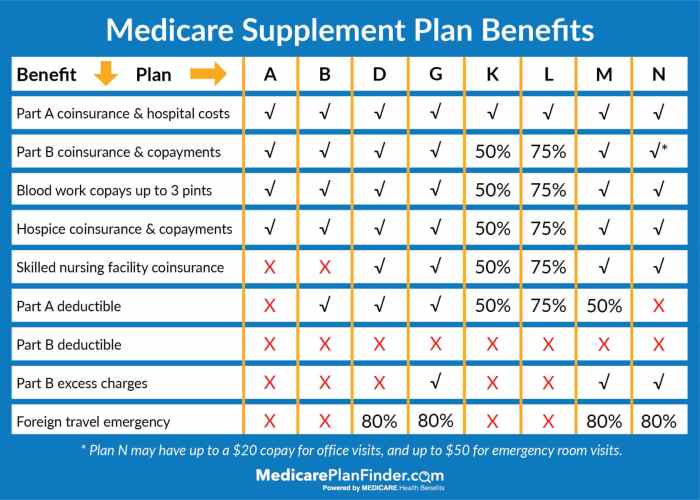
While Medicare covers a significant portion of healthcare expenses, there are still out-of-pocket costs that individuals need to manage. These costs may include deductibles, copayments, and coinsurance. However, individuals can opt for supplemental insurance plans, known as Medigap policies, to help cover these out-of-pocket costs. Medicaid, a joint federal and state program, also provides assistance with Medicare costs for eligible individuals with limited income and resources.
Financial Benefits of Enrolling in Medicare for Healthcare Expenses
Enrolling in Medicare offers financial benefits by providing access to essential healthcare services at a lower cost. Medicare helps individuals avoid high medical bills and ensures they receive necessary medical care without financial strain. Moreover, Medicare Advantage Plans often include additional benefits not covered by Original Medicare, such as vision, dental, and hearing coverage. By enrolling in Medicare, individuals can protect themselves from unexpected healthcare expenses and maintain their health and well-being effectively.
Healthcare Providers and Medicare
Choosing the right healthcare provider is crucial when it comes to Medicare coverage. Here, we will discuss the healthcare providers that accept Medicare, the importance of staying within the Medicare network, and how Medicare impacts the relationship between patients and healthcare providers.
Healthcare Providers Accepting Medicare
- Hospitals: Most hospitals in the United States accept Medicare patients, ensuring access to a wide range of medical services.
- Doctors: Primary care physicians, specialists, and other healthcare professionals often participate in Medicare, allowing patients to receive necessary medical care.
- Pharmacies: Many pharmacies are part of the Medicare network, providing prescription drugs covered by Medicare Part D.
Importance of Choosing Providers Within the Medicare Network
Staying within the Medicare network is essential to ensure that your healthcare services are covered by Medicare. Providers within the network have agreed to accept Medicare’s approved amount as full payment for services, reducing out-of-pocket costs for patients.
Impact of Medicare on Patient-Provider Relationship
Medicare plays a significant role in shaping the relationship between patients and healthcare providers. As Medicare sets guidelines and reimbursement rates, providers must adhere to these standards while delivering quality care to Medicare beneficiaries.
Health Insurance Policies under Medicare
Medicare Health Insurance Plans come with specific policies and regulations that govern coverage and benefits for eligible individuals. These policies are designed to ensure access to essential healthcare services for the elderly and certain individuals with disabilities.
Medicare vs. Private Health Insurance Plans
- Medicare is a government-run health insurance program primarily for individuals aged 65 and older, as well as certain younger individuals with disabilities.
- Private health insurance plans are offered by commercial insurance companies and can be purchased by individuals or provided by employers.
- Medicare policies are standardized by the federal government, ensuring consistent coverage and benefits for all enrollees.
- Private health insurance plans have more flexibility in terms of coverage options, premiums, and benefits, but may vary significantly between different providers.
Government Regulations and Medicare Policies
Medicare policies are shaped by government regulations that dictate the coverage, cost-sharing, and eligibility criteria for the program. These regulations aim to protect beneficiaries and ensure the sustainability of the Medicare program.
- Government regulations determine the services covered by Medicare, such as hospital care, doctor visits, preventive services, and prescription drugs.
- Medicare policies also include rules for cost-sharing, such as deductibles, copayments, and coinsurance, which help control healthcare costs for both beneficiaries and the government.
- Eligibility for Medicare is based on age, disability status, or specific medical conditions, as Artikeld in the regulations set by the Centers for Medicare & Medicaid Services (CMS).
Health Records Management with Medicare
Maintaining and accessing health records within the Medicare system is crucial for providing efficient and effective healthcare services to beneficiaries. Let’s delve into how health records are managed within the Medicare system, the privacy and security measures in place, and the benefits of centralized health records through Medicare.
Health Records Maintenance and Access
Health records within the Medicare system are maintained electronically, allowing for easy access by healthcare providers involved in the care of beneficiaries. Authorized personnel can securely access these records to ensure continuity of care and accurate medical information.
Privacy and Security Measures
Medicare follows strict privacy and security measures to safeguard health records from unauthorized access or breaches. Personal health information is protected under the Health Insurance Portability and Accountability Act (HIPAA) to maintain confidentiality and privacy.
Benefits of Centralized Health Records
Having centralized health records through Medicare offers numerous benefits, including improved coordination of care among healthcare providers, reduced duplication of tests and procedures, and enhanced patient safety through accurate and up-to-date medical information. Centralized records also facilitate quick access to medical history, ensuring timely and appropriate care for beneficiaries.
Health Screening and Medicare
Regular health screenings are vital for maintaining overall wellness and detecting potential health issues early on. Medicare covers a range of preventive screenings to help beneficiaries stay healthy and catch any problems in their early stages.
Preventive Screenings Covered by Medicare
- Annual Wellness Visit: Medicare covers an annual wellness visit with your healthcare provider to develop or update a personalized prevention plan.
- Colorectal Cancer Screening: Medicare covers various screening tests for colorectal cancer, including colonoscopies, sigmoidoscopies, and fecal occult blood tests.
- Mammograms: Medicare covers screening mammograms for breast cancer for women age 40 and older.
- Blood Pressure Screening: Regular blood pressure screenings are covered by Medicare to help prevent heart disease and other health issues.
Importance of Health Screenings
Regular health screenings play a crucial role in preventing diseases or detecting them early when they are most treatable. By identifying health issues before symptoms arise, individuals can take proactive steps to manage their health and improve their quality of life. Health screenings covered by Medicare help beneficiaries take charge of their health and well-being, leading to better health outcomes and potentially reducing healthcare costs in the long run.
In conclusion, Medicare Health Insurance Plans stand as a crucial pillar in the realm of healthcare, offering comprehensive coverage and financial benefits. Dive into the world of Medicare to secure your health and well-being with confidence.
Common Queries
What are the different parts of Medicare?
Medicare consists of Part A (hospital insurance), Part B (medical insurance), Part C (Medicare Advantage), and Part D (prescription drug coverage).
How are out-of-pocket costs managed under Medicare?
Out-of-pocket costs under Medicare can be managed through supplemental insurance plans like Medigap or Medicare Advantage plans.
Which healthcare providers accept Medicare?
Most healthcare providers in the United States accept Medicare, but it’s important to choose providers within the Medicare network for optimal coverage.
What are the financial benefits of enrolling in Medicare?
Enrolling in Medicare can provide financial benefits by covering a significant portion of healthcare expenses, reducing the burden on individuals.
How do health screenings contribute to overall wellness?
Health screenings covered by Medicare play a crucial role in early disease detection, promoting wellness, and preventive healthcare measures.