As Best Health Insurance for Chronic Conditions takes center stage, this comprehensive guide delves into the importance of healthcare access, costs, providers, insurance, policies, records, and screenings for individuals managing chronic conditions. From barriers to solutions, this exploration aims to equip readers with the necessary knowledge to navigate the complex healthcare landscape with confidence and clarity.
Healthcare Access
Access to healthcare services is crucial for individuals with chronic conditions as it allows them to manage their health effectively and prevent complications. Without easy access to medical care, these individuals may experience worsening symptoms or delayed treatment, leading to poorer health outcomes.
Barriers to Healthcare Access
- Lack of health insurance coverage: Without insurance, individuals may struggle to afford necessary medical care and medications.
- Geographic barriers: Living in remote areas with limited healthcare facilities can make it difficult for individuals to access specialized care.
- Financial constraints: High out-of-pocket costs, co-pays, and deductibles can deter individuals from seeking medical treatment regularly.
- Language and cultural barriers: Limited English proficiency or cultural differences can hinder effective communication with healthcare providers.
- Stigma and discrimination: Fear of judgment or discrimination based on their condition can prevent individuals from seeking care.
Role of Telemedicine
Telemedicine plays a significant role in improving access to healthcare for those with chronic illnesses by providing remote consultations, monitoring, and follow-up care. This technology enables individuals to connect with healthcare providers without the need for in-person visits, making healthcare more accessible and convenient. Telemedicine also helps overcome geographic barriers and allows for timely interventions, ultimately improving health outcomes for individuals with chronic conditions.
Healthcare Costs
Managing healthcare costs is a crucial aspect for individuals with chronic conditions, as the financial burden can be significant. Here, we will explore how healthcare costs impact those with chronic illnesses, compare treatment affordability under different health insurance plans, and discuss strategies for cost management.
Impact of Healthcare Costs on Individuals with Chronic Conditions
Individuals with chronic conditions often require ongoing medical care, prescription medications, and specialist visits, all of which can add up to substantial costs. The financial strain of managing these expenses can be overwhelming, especially for those with limited income or inadequate insurance coverage.
Affordability of Treatment Options Under Different Health Insurance Plans
- Health insurance plans vary in terms of coverage for chronic conditions, with some offering comprehensive benefits while others have limitations or high out-of-pocket costs.
- Medications, medical procedures, and hospitalizations for chronic illnesses can be expensive, and the extent of coverage provided by insurance plans can greatly influence the affordability of treatment options.
- Individuals with chronic conditions should carefully review their insurance policies to understand what is covered, what costs they are responsible for, and if there are any restrictions on treatments or providers.
Strategies for Managing Healthcare Costs for Individuals with Chronic Conditions
- Utilize generic medications whenever possible to reduce prescription costs.
- Explore patient assistance programs offered by pharmaceutical companies for financial support with medication expenses.
- Consider healthcare savings accounts or flexible spending arrangements to set aside pre-tax funds for medical expenses.
- Discuss treatment options and cost concerns with healthcare providers to explore alternative therapies or payment plans.
- Regularly review and update insurance coverage to ensure it meets the evolving needs of managing chronic conditions.
Healthcare Providers

When it comes to managing chronic conditions effectively, having the right healthcare providers on your team is crucial. These professionals play a key role in ensuring that you receive the necessary care and treatment to keep your condition under control.
Types of Healthcare Providers
There are several types of healthcare providers that are essential for managing chronic conditions:
- Primary Care Physicians: These doctors serve as the main point of contact for patients and coordinate their overall care.
- Specialists: Depending on the specific chronic condition, specialists such as cardiologists, endocrinologists, or rheumatologists may be needed for specialized treatment.
- Nurses: Nurses provide valuable support in managing chronic conditions, offering education, monitoring, and care coordination.
- Pharmacists: Pharmacists play a crucial role in medication management and ensuring proper drug interactions for patients with chronic illnesses.
Continuity of Care
Continuity of care, which involves consistent and seamless healthcare services, is extremely important in the treatment of chronic illnesses. This ensures that patients receive ongoing support, monitoring, and treatment adjustments as needed, leading to better health outcomes and quality of life.
Finding Healthcare Providers
Individuals can find healthcare providers specializing in managing chronic conditions by:
- Asking for referrals from their primary care physician or specialist.
- Researching online for providers with expertise in their specific chronic condition.
- Checking with local support groups or patient advocacy organizations for recommendations.
- Verifying the provider’s credentials and experience in treating chronic conditions before making an appointment.
Health Insurance
Health insurance plays a crucial role in providing coverage for treatments and medications for individuals with chronic conditions. It helps alleviate the financial burden of managing ongoing healthcare needs.
Comparison of Health Insurance Plans for Chronic Illnesses
When comparing different health insurance plans, it is essential to consider the coverage options specifically tailored for chronic illnesses. Here are some key points to compare:
- Coverage for specialist visits and consultations
- Access to prescription medications
- In-network providers who specialize in treating chronic conditions
- Coverage for preventive care services
Selecting the Best Health Insurance Plan for Chronic Conditions
Choosing the best health insurance plan for individuals with chronic conditions involves a thorough evaluation of their specific healthcare needs. Consider the following factors when selecting a plan:
- Monthly premiums and out-of-pocket costs
- Coverage for prescription drugs and medical equipment
- Network of healthcare providers and specialists
- Prior authorization requirements for treatments
Health Policies
Health policies play a crucial role in shaping access to care and treatment options for individuals with chronic conditions. These policies can determine the availability of resources, funding, and support systems that are essential for managing chronic illnesses effectively.
Impact of Health Policies
- Health policies can influence insurance coverage for medications, treatments, and healthcare services related to chronic conditions.
- Policies can also determine the structure of healthcare delivery systems, affecting the availability of specialists and facilities for managing chronic illnesses.
- Regulatory policies can impact the development and approval of new therapies and technologies that are beneficial for individuals with chronic conditions.
Examples of Effective Policies
-
Medicaid Expansion:
Policies that expand Medicaid eligibility have improved access to care for individuals with chronic conditions who may not have been able to afford insurance otherwise.
-
The Affordable Care Act:
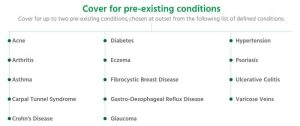
Provisions within the ACA, such as prohibiting coverage denials based on pre-existing conditions, have benefited many individuals with chronic illnesses.
-
Telehealth Coverage:
Policies that support telehealth services have increased access to virtual care options for individuals with chronic conditions, especially in rural or underserved areas.
Importance of Advocacy
- Advocacy for policies that support individuals with chronic conditions is essential for ensuring equitable access to care, affordable treatment options, and improved quality of life.
- By advocating for policies that prioritize the needs of those with chronic illnesses, individuals, healthcare providers, and organizations can help shape a healthcare system that better serves this population.
- Engaging in advocacy efforts can lead to positive changes in healthcare policies, promoting better outcomes and enhanced support for individuals living with chronic conditions.
Health Records
Maintaining accurate and up-to-date health records is crucial for individuals with chronic conditions. These records provide a comprehensive history of the individual’s health status, including diagnoses, medications, treatments, and test results. They serve as a valuable tool for healthcare providers to make informed decisions about the management of chronic illnesses.
Role of Electronic Health Records
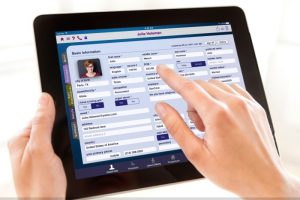
Electronic health records (EHRs) play a significant role in improving coordination of care for chronic illnesses. EHRs allow healthcare providers from different specialties and settings to access a patient’s complete medical history in real-time. This seamless sharing of information enhances communication among healthcare teams, reduces duplicate tests, and ensures that all providers are on the same page regarding the patient’s treatment plan.
Tips for Organizing and Managing Health Records
- Keep all medical records in one centralized location, whether it’s a physical folder or a secure online portal.
- Organize documents chronologically, starting with the most recent information first.
- Make copies of important documents, such as test results and imaging reports, and keep them in a separate file for easy access.
- Use a health journal or diary to track symptoms, medications, and any changes in your condition on a daily basis.
- Share your health records with all healthcare providers involved in your care to ensure continuity and coordination of treatment.
Health Screening
Regular health screenings play a crucial role in the early detection and management of chronic conditions. By monitoring key health indicators, individuals can identify potential issues before they escalate, leading to better outcomes and quality of life.
Importance of Health Screenings
- Regular health screenings can help catch chronic conditions at an early stage when they are more easily treatable.
- Screenings can provide valuable insights into an individual’s health status, allowing for timely intervention and preventive measures.
- Early detection through screenings can lead to more effective treatment plans and improved long-term health outcomes.
Common Health Screenings
- Blood pressure monitoring: Essential for detecting hypertension, a common risk factor for heart disease and stroke.
- Blood glucose testing: Crucial for identifying diabetes and prediabetes, conditions with serious long-term implications.
- Cholesterol screenings: Help assess the risk of heart disease and stroke by monitoring lipid levels in the blood.
Health Insurance Coverage Impact
Health insurance coverage can significantly impact access to preventive health screenings for chronic conditions. Individuals with comprehensive insurance plans are more likely to undergo regular screenings due to reduced out-of-pocket costs. On the other hand, those without adequate coverage may forgo screenings, leading to undiagnosed chronic conditions and potentially poorer health outcomes.
In conclusion, Best Health Insurance for Chronic Conditions serves as a crucial lifeline for individuals facing ongoing health challenges. By prioritizing access, affordability, and quality care, individuals can better manage their conditions and lead healthier, more fulfilling lives. Stay informed, stay empowered, and make informed decisions to safeguard your well-being.
FAQ Resource
How does telemedicine improve access to healthcare for individuals with chronic conditions?
Telemedicine allows individuals to consult healthcare providers remotely, reducing the need for in-person visits and overcoming barriers like transportation or mobility issues.
What are some strategies for managing healthcare costs for individuals with chronic conditions?
Strategies include exploring generic medication options, utilizing prescription discount programs, and reviewing insurance plans for coverage of essential treatments.
How can individuals find healthcare providers specializing in managing chronic conditions?
Individuals can seek referrals from their primary care physicians, research providers online, or contact local hospitals and clinics for recommendations.
What is the role of health policies in improving healthcare outcomes for individuals with chronic conditions?
Health policies can influence access to treatments, preventive care, and support services, ultimately shaping the overall quality of care for individuals with chronic illnesses.
Why are regular health screenings important for individuals at risk of developing chronic illnesses?
Regular screenings help detect health issues early, allowing for timely intervention and management to prevent the progression of chronic conditions.