Embark on a journey through the realm of Healthcare Providers for Preventive Care, where the crucial aspects of access, affordability, and quality intertwine to shape the landscape of public health.
Exploring the intricate web of healthcare systems, policies, and practices, we unveil the pivotal role played by healthcare providers in safeguarding the well-being of individuals through proactive preventive measures.
Healthcare Access
Easy access to healthcare providers for preventive care is crucial in promoting overall public health. When individuals can easily reach healthcare facilities and professionals, they are more likely to seek preventive services, screenings, and early interventions that can help detect and manage health issues before they escalate.
Importance of Improved Healthcare Access
- Improved healthcare access leads to early detection and treatment of diseases, reducing the burden on the healthcare system and improving health outcomes.
- It enables individuals to receive regular check-ups, vaccinations, and screenings, which are essential for preventing chronic conditions.
- Accessible healthcare services also promote health equity by ensuring that underserved populations have equal opportunities to receive quality preventive care.
Initiatives to Increase Healthcare Access
- The establishment of community health centers in underserved areas to provide affordable and accessible healthcare services.
- Telehealth programs that allow individuals to consult healthcare providers remotely, overcoming barriers such as geographical distance and transportation issues.
- Mobile clinics that bring healthcare services directly to communities, especially in rural or remote areas with limited access to healthcare facilities.
Healthcare Costs
Healthcare costs play a significant role in limiting access to preventive care for many individuals. The financial burden of healthcare services can deter people from seeking early screenings, vaccinations, and other preventive measures that can ultimately reduce the risk of developing serious illnesses.
Affordability of Preventive Care vs. Treatment for Advanced Illnesses
Preventive care services are generally more affordable than the treatment for advanced illnesses. Early detection and intervention through preventive care can help avoid costly medical procedures, hospitalizations, and medications associated with treating advanced diseases.
Strategies to Reduce Healthcare Costs for Preventive Services
- Implementing comprehensive health insurance coverage that includes preventive services without copayments or deductibles can encourage more individuals to access these services.
- Increasing funding for community health programs and clinics that offer low-cost or free preventive care services can help reduce the financial barriers to accessing care.
- Promoting public health campaigns to raise awareness about the importance of preventive care and its long-term cost-saving benefits can encourage individuals to prioritize their health.
- Encouraging healthcare providers to adopt value-based care models that focus on preventive measures and early interventions to improve health outcomes while reducing overall healthcare costs.
Healthcare Providers
Healthcare providers play a crucial role in delivering preventive care services to patients. They are responsible for assessing risk factors, providing education, conducting screenings, and offering interventions to help prevent illnesses and promote overall well-being.
Primary Care Providers vs. Specialists
Primary care providers, such as family physicians, internists, and pediatricians, serve as the first point of contact for patients seeking healthcare services. They are responsible for delivering comprehensive and continuous care, including preventive services like vaccinations, screenings, and counseling on healthy lifestyle habits.
On the other hand, specialists, such as cardiologists, dermatologists, and oncologists, focus on specific organ systems or disease processes. While they may not provide primary preventive care services, specialists play a crucial role in managing chronic conditions and providing specialized preventive interventions for patients with specific health needs.
Building Trust and Rapport
Building trust and rapport between patients and healthcare providers is essential for effective preventive care. Patients are more likely to engage in preventive services and follow through with recommendations when they feel comfortable and supported by their providers.
Effective communication, empathy, and shared decision-making are key components of building trust and rapport. When patients feel heard and valued, they are more inclined to participate in preventive care efforts and make positive changes to improve their health outcomes.
Health Insurance
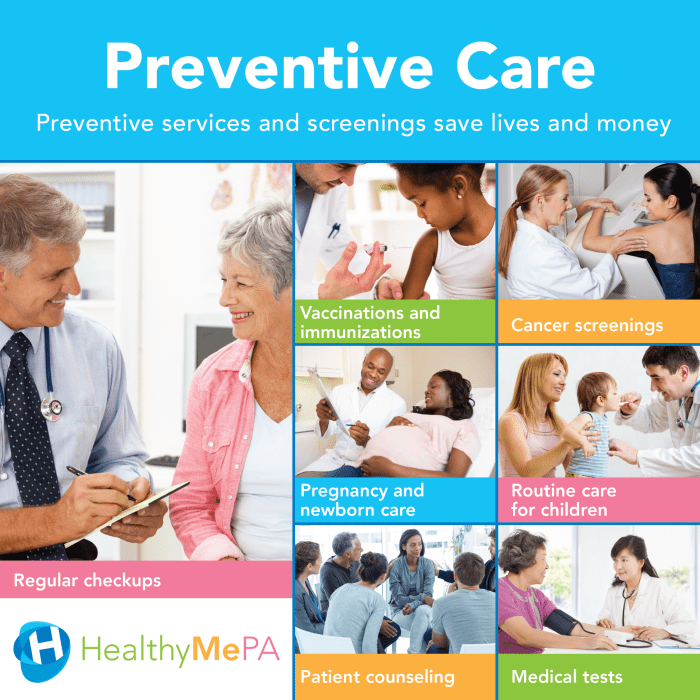
Health insurance coverage plays a crucial role in determining an individual’s access to preventive care services and their utilization. Understanding how health insurance impacts preventive care is essential for promoting overall health and well-being.
Impact of Health Insurance Coverage on Preventive Care Utilization
Health insurance coverage significantly influences an individual’s likelihood of seeking preventive care services. Those with insurance are more likely to schedule regular check-ups, screenings, and vaccinations compared to those without coverage. This is because health insurance helps lower the out-of-pocket costs associated with preventive services, making them more accessible and affordable for individuals.
Differences in Coverage for Preventive Services Under Various Health Insurance Plans
Different health insurance plans offer varying levels of coverage for preventive services. For example, some plans may cover preventive services such as annual physical exams, vaccinations, and screenings at no additional cost to the individual, while others may require co-pays or deductibles. Additionally, some plans may have restrictions on the frequency or types of preventive services covered. It is essential for individuals to review their insurance plan to understand what preventive services are included and any associated costs.
Incentivizing Preventive Care Through Health Insurance Policies
Health insurance policies can incentivize individuals to seek preventive care by offering benefits such as lower co-pays or deductibles for preventive services. For example, some insurance plans may waive co-pays for preventive screenings or vaccinations to encourage individuals to prioritize their health. Additionally, some plans may offer rewards or incentives for completing certain preventive care activities, such as wellness programs or health assessments.
These incentives can motivate individuals to engage in preventive care and adopt healthier lifestyles.
Health Policies
Government policies play a crucial role in promoting preventive care among healthcare providers. These policies set guidelines, regulations, and incentives to encourage healthcare professionals to prioritize preventive measures and screenings for better health outcomes.
Comparative Analysis of Preventive Care Policies
- United States: The Affordable Care Act (ACA) has provisions that focus on preventive care services without cost-sharing for patients. This includes immunizations, screenings, and counseling for various health conditions.
- United Kingdom: The National Health Service (NHS) provides a range of preventive services free of charge to residents, such as vaccinations, health checks, and screening programs for conditions like cancer and cardiovascular diseases.
- Japan: The country has a universal healthcare system that emphasizes preventive care through regular health check-ups, screenings, and health education programs for the population.
Challenges in Implementing Health Policies
- Resource Allocation: Limited resources can hinder the implementation of preventive care policies, especially in developing countries where healthcare infrastructure and funding are inadequate.
- Economic Factors: Economic considerations and budget constraints may impact the feasibility of providing preventive care services to all individuals, leading to disparities in access and quality of care.
- Compliance and Enforcement: Ensuring compliance with preventive care policies and regulations can be challenging, as healthcare providers may face resistance or lack the necessary resources to fully adhere to the guidelines.
Health Records
Electronic health records play a crucial role in enhancing preventive care coordination by providing a centralized platform for storing and accessing patient information. This allows healthcare providers to track patient histories, monitor risk factors, and coordinate preventive interventions effectively.
Facilitating Communication Between Healthcare Providers
Electronic health records facilitate seamless communication between healthcare providers by allowing real-time access to patient data. This enables care teams to collaborate on preventive strategies, share insights, and coordinate care plans efficiently.
- Health records ensure that all providers involved in a patient’s care have access to the same information, leading to more coordinated and personalized preventive interventions.
- Providers can easily communicate regarding screenings, vaccinations, and lifestyle recommendations based on the patient’s health record.
- Health records help in tracking patient progress, monitoring the effectiveness of interventions, and adjusting preventive strategies as needed.
Potential Benefits and Concerns
Sharing health records for preventive care purposes comes with various benefits and concerns that need to be carefully considered.
- Benefits:
- Improved care coordination and continuity across different healthcare settings.
- Enhanced patient safety through accurate and up-to-date information sharing.
- Efficient identification of at-risk populations for targeted preventive interventions.
- Concerns:
- Privacy and security risks related to the sharing of sensitive patient information.
- Potential breaches of confidentiality if health records are not adequately protected.
- Legal and ethical considerations regarding consent and data sharing practices.
Health Screening
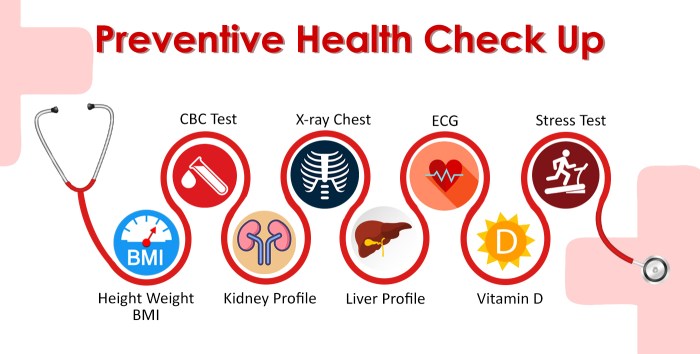
Regular health screenings play a crucial role in preventive care by detecting potential health issues early on, leading to better health outcomes and reduced healthcare costs.
Examples of Common Health Screening Tests
- For Children and Adolescents:
- Physical Exams
- Vaccinations
- Developmental Milestones
- Cholesterol and Blood Pressure Checks
- For Adults:
- Blood Pressure Monitoring
- Cholesterol Tests
- Blood Glucose Tests
- Colonoscopies
- Mammograms
- Pap Smears
- For Seniors:
- Bone Density Scans
- Prostate Cancer Screening
- Eye Exams
- Hearing Tests
- Annual Physical Exams
Early detection through health screenings can help identify health issues before they progress, allowing for timely intervention and treatment, ultimately leading to improved health outcomes and reduced healthcare costs.
As we conclude our exploration, the tapestry of Healthcare Providers for Preventive Care emerges as a vital cornerstone in the foundation of public health, highlighting the collaborative efforts required to ensure a healthier future for all.
FAQ Corner
How can healthcare providers enhance access to preventive care services?
Healthcare providers can improve access by offering telemedicine options, extending clinic hours, and collaborating with community organizations.
What are some effective strategies to reduce healthcare costs for preventive services?
Implementing preventive care programs, encouraging early interventions, and promoting healthy lifestyle choices can help lower healthcare costs in the long run.
How do health insurance policies incentivize individuals to seek preventive care?
Health insurance policies often cover preventive services at little to no cost, encouraging individuals to undergo screenings and preventive interventions without financial barriers.
What are the key differences between the roles of primary care providers and specialists in preventive care?
Primary care providers focus on overall wellness and preventive measures, while specialists offer specialized interventions for specific health conditions or diseases.
Why is trust and rapport between patients and healthcare providers crucial for effective preventive care?
Building trust ensures open communication, better adherence to treatment plans, and a collaborative approach to preventive care, leading to improved health outcomes.