Embarking on the realm of Health Policies for Chronic Disease Management, this introduction invites readers with insightful knowledge, promising an enriching exploration through a landscape of innovative solutions and effective strategies.
Delve deeper into the nuances of healthcare access, costs, providers, insurance, policies, records, and screening for a comprehensive understanding of managing chronic diseases.
Healthcare Access
Easy access to healthcare services is crucial for effective chronic disease management. Patients need timely and convenient access to medical care to monitor their conditions, receive treatments, and prevent complications.
Barriers to Healthcare Access for Chronic Conditions
- Lack of health insurance coverage: Many individuals with chronic diseases face financial barriers that prevent them from seeking necessary medical care.
- Geographic barriers: Patients in rural or remote areas may have limited access to healthcare facilities and specialists.
- Transportation issues: Some patients may struggle to travel to medical appointments due to lack of transportation options.
- Language and cultural barriers: Language differences and cultural norms can create challenges in communication and understanding healthcare information.
Innovative Solutions for Improved Healthcare Access
- Telemedicine: Virtual consultations and remote monitoring allow patients to access healthcare services from the comfort of their homes.
- Mobile health clinics: Bringing healthcare services directly to underserved communities helps overcome geographic barriers.
- Community health workers: These trained professionals can provide education, support, and assistance to patients with chronic diseases in their own communities.
- Technology solutions: Mobile apps and wearable devices can help patients track their health data and communicate with healthcare providers more efficiently.
Healthcare Costs
Healthcare costs play a crucial role in the management of chronic diseases, impacting the quality of care and financial well-being of individuals. The burden of managing chronic conditions can be substantial, often requiring ongoing medical visits, medications, and specialized treatments.
Financial Burden of Chronic Disease Management vs. Preventive Measures
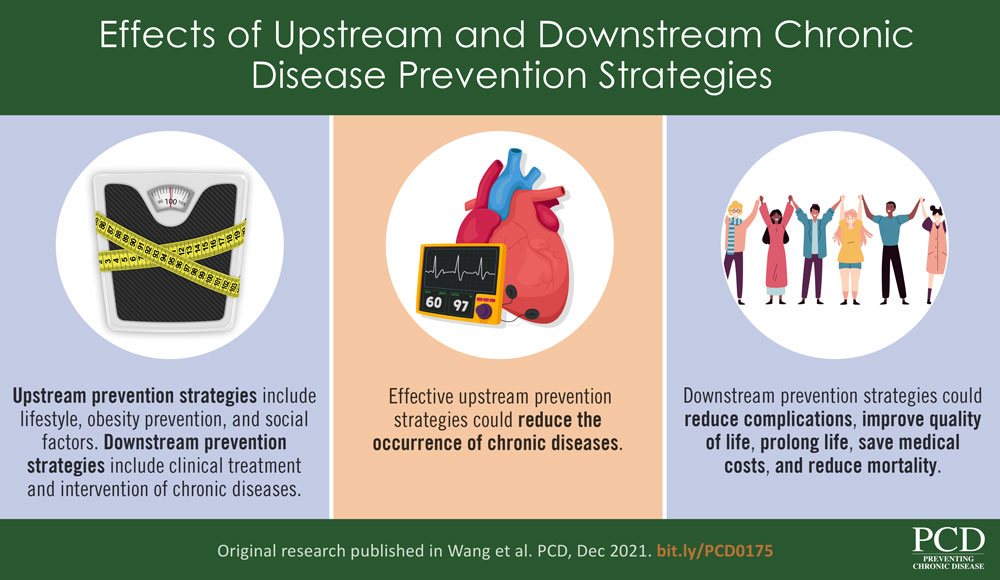
The financial burden of managing chronic diseases is typically higher compared to investing in preventive measures. Preventive measures such as regular screenings, healthy lifestyle choices, and early interventions can help reduce the risk of developing chronic conditions and their associated costs in the long run.
- Chronic Disease Management:
- Regular doctor visits, specialist consultations, and diagnostic tests can lead to significant out-of-pocket expenses.
- Purchase of medications and medical supplies for long-term management can strain financial resources.
- Hospitalizations and emergency care for acute exacerbations of chronic conditions can result in high healthcare bills.
- Preventive Measures:
- Investing in preventive healthcare such as vaccinations, screenings, and lifestyle modifications can help avoid the onset of chronic diseases.
- Early detection and intervention through preventive measures can reduce the need for costly treatments and hospitalizations.
- Promoting healthy behaviors and regular check-ups can lead to overall cost savings in healthcare expenditure.
Strategies to Reduce Healthcare Costs for Individuals Managing Chronic Conditions
Implementing cost-saving strategies can help individuals managing chronic conditions alleviate the financial burden associated with healthcare costs.
- Medication Management:
- Utilizing generic medications and prescription assistance programs can lower medication costs.
- Adhering to medication schedules and avoiding unnecessary prescriptions can prevent wastage and reduce expenses.
- Health Insurance Optimization:
- Reviewing and comparing health insurance plans to choose the most cost-effective coverage for chronic disease management.
- Exploring options for government assistance programs or patient support initiatives to offset healthcare expenses.
- Healthcare Utilization:
- Seeking preventive care and regular health screenings to detect potential health issues early and avoid costly treatments.
- Engaging in telemedicine or virtual consultations to reduce travel and consultation costs for routine check-ups.
Healthcare Providers
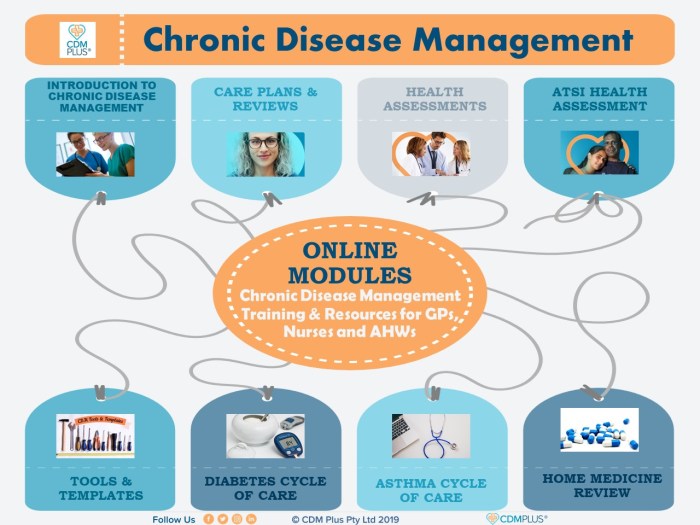
Healthcare providers play a crucial role in supporting patients with chronic diseases by providing medical care, monitoring disease progression, coordinating treatment plans, and offering support and education to help patients manage their conditions effectively.
Challenges in Managing Patients with Multiple Chronic Conditions
- Complexity in treatment coordination: Healthcare providers often face challenges in coordinating treatments for patients with multiple chronic conditions, as different conditions may require conflicting interventions or medications.
- Patient adherence to treatment plans: Managing multiple chronic conditions can be overwhelming for patients, leading to non-adherence to treatment plans, which can worsen their health outcomes.
- Time constraints: Healthcare providers may struggle to allocate enough time to address all the health needs of patients with multiple chronic conditions during a single appointment.
- Communication barriers: Effective communication among healthcare providers, patients, and caregivers is essential for managing multiple chronic conditions, but barriers such as language differences or health literacy levels can hinder this process.
Interdisciplinary Approaches in Chronic Disease Management
- Team-based care: Collaborative care involving healthcare providers from different disciplines, such as physicians, nurses, pharmacists, and social workers, can improve patient outcomes by providing holistic care and support.
- Care coordination: Healthcare providers can work together to develop care plans that address all aspects of a patient’s health, ensuring seamless coordination of services and interventions.
- Patient education: Interdisciplinary teams can educate patients about their conditions, treatment options, and self-management strategies, empowering them to take an active role in managing their health.
- Technology integration: Utilizing telehealth, electronic health records, and other digital tools can enhance communication and coordination among healthcare providers, improving the quality and efficiency of chronic disease management.
Health Insurance
Health insurance plays a crucial role in providing financial protection and access to healthcare services for individuals with chronic diseases.
Types of Coverage for Chronic Disease Management
Health insurance plans vary in their coverage for chronic disease management, impacting the accessibility of treatments and services for individuals with long-term health conditions.
- Some insurance plans may offer comprehensive coverage for chronic disease management, including medications, specialist visits, and medical tests.
- Other plans may have limitations on coverage, requiring higher out-of-pocket costs for certain treatments or services related to chronic conditions.
- High-deductible health plans, for example, may require individuals to meet a significant deductible before coverage for chronic disease management kicks in.
Impact on Access to Treatments
Health insurance policies greatly influence the ability of individuals with chronic diseases to access necessary treatments for their conditions.
- Individuals with robust health insurance coverage are more likely to afford and receive timely treatments for their chronic conditions, leading to better health outcomes.
- On the other hand, those with limited insurance coverage may struggle to afford medications, appointments, and other essential services, potentially leading to poorer health outcomes and increased healthcare costs in the long run.
- Health insurance policies that provide adequate coverage for chronic disease management can significantly improve the quality of life for individuals dealing with long-term health issues.
Health Policies
Government health policies play a crucial role in shaping strategies for managing chronic diseases. These policies Artikel the framework within which healthcare providers and institutions operate, affecting the accessibility, quality, and affordability of care for individuals with chronic conditions.
Role of Government Health Policies
Government health policies establish guidelines and regulations that influence the development and implementation of programs aimed at preventing and managing chronic diseases. These policies can include funding allocations, reimbursement mechanisms, and requirements for healthcare providers to adhere to specific standards of care.
- Government health policies help prioritize resources for chronic disease management, ensuring that necessary interventions and treatments are available to those in need.
- These policies also shape public health initiatives that aim to reduce risk factors associated with chronic diseases, such as tobacco use, unhealthy diet, and physical inactivity.
- By setting standards for healthcare delivery, government policies can promote evidence-based practices and ensure that individuals with chronic conditions receive appropriate and timely care.
Effectiveness of Current Health Policies
The effectiveness of current health policies in addressing the needs of individuals with chronic diseases varies depending on factors such as implementation, enforcement, and stakeholder collaboration. While some policies have successfully improved access to care and outcomes for patients with chronic conditions, there are still challenges that need to be addressed.
- Some current health policies may lack adequate funding or resources to fully support chronic disease management programs, leading to gaps in service delivery and disparities in care.
- There may be inconsistencies in how policies are implemented across different regions or healthcare settings, resulting in uneven access to quality care for individuals with chronic diseases.
- Additionally, the complexity of chronic disease management requires a multidisciplinary approach that may not always be supported or incentivized by existing health policies.
Recommendations for Improving Health Policies
In order to enhance the effectiveness of health policies related to chronic disease management, several recommendations can be considered to address existing gaps and improve the overall quality of care for individuals with chronic conditions.
- Allocate sufficient resources and funding to support comprehensive chronic disease management programs, including prevention, early detection, treatment, and ongoing care.
- Enhance coordination and collaboration among healthcare providers, public health agencies, community organizations, and other stakeholders to ensure a holistic approach to managing chronic diseases.
- Implement policies that promote patient-centered care, shared decision-making, and the integration of behavioral health services to address the complex needs of individuals with chronic conditions.
Health Records
Accurate health records play a crucial role in the effective management of chronic diseases. By maintaining up-to-date and comprehensive health records, healthcare providers can make informed decisions, track progress, and ensure continuity of care for patients with chronic conditions.
Importance of Accurate Health Records
- Health records provide a detailed history of a patient’s medical conditions, treatments, medications, and test results, which is essential for managing chronic diseases.
- Accurate health records help healthcare providers identify patterns, monitor changes in the patient’s health status, and adjust treatment plans accordingly.
- Having access to complete health records enables better coordination of care among multiple healthcare providers involved in the management of a chronic condition.
- Health records also serve as a valuable tool for patients to actively participate in their own care and make informed decisions about their health.
Challenges in Maintaining Comprehensive Health Records
- One of the challenges in maintaining comprehensive health records for patients with chronic conditions is the fragmentation of healthcare systems, leading to incomplete or scattered information across different providers and facilities.
- Ensuring the accuracy and consistency of health records can be challenging, especially when dealing with a large volume of data and frequent updates.
- Privacy and security concerns related to the electronic storage and sharing of health records pose additional challenges in maintaining comprehensive records for chronic disease management.
Technologies for Organizing and Accessing Health Records
- Electronic Health Records (EHRs) software systems are designed to centralize and organize patient health information, making it easier for healthcare providers to access and update records efficiently.
- Personal Health Records (PHRs) allow patients to manage and access their health information electronically, promoting patient engagement and empowerment in chronic disease management.
- Health Information Exchange (HIE) platforms facilitate the secure sharing of health records among different healthcare providers and organizations, improving care coordination for patients with chronic conditions.
Health Screening
Regular health screenings play a crucial role in the early detection and management of chronic diseases. By identifying potential health issues before they progress, individuals can take proactive steps to prevent complications and improve their overall well-being.
Types of Health Screening Tests
- Mammograms for breast cancer screening
- Colonoscopies for colorectal cancer detection
- Blood tests for diabetes monitoring
- Blood pressure checks for hypertension management
Recommendations for Effective Health Screening Programs
- Develop clear guidelines on who should undergo screening based on age, family history, and risk factors.
- Ensure accessibility to screening tests through healthcare facilities and community outreach programs.
- Educate individuals on the importance of regular screenings and the potential benefits of early detection.
- Implement follow-up protocols for abnormal results to ensure timely intervention and treatment.
Concluding our discussion on Health Policies for Chronic Disease Management, it is evident that a multi-faceted approach is essential to address the complexities of chronic conditions effectively. By integrating diverse solutions and policies, we can strive towards better health outcomes for individuals managing chronic diseases.
Detailed FAQs
What are some common barriers to accessing healthcare services for chronic disease management?
Barriers may include financial constraints, lack of transportation, limited healthcare facilities in rural areas, and inadequate insurance coverage.
How can healthcare providers support patients with multiple chronic conditions effectively?
Healthcare providers can adopt interdisciplinary approaches, coordinate care among specialists, leverage technology for remote monitoring, and offer holistic treatment plans.