Embark on a journey of selecting a healthcare provider with our guide, exploring the crucial aspects of access, costs, providers, insurance, records, and screenings.
Discover the key factors that influence your healthcare decisions and lead you towards optimal well-being.
Healthcare Access
Access to healthcare providers plays a crucial role in ensuring timely medical intervention and overall well-being.
Importance of Easy Access to Healthcare Providers
Easy access to healthcare providers is essential for obtaining timely medical care, preventive services, and managing chronic conditions. When individuals can easily reach healthcare facilities and professionals, they are more likely to seek treatment when needed, leading to better health outcomes.
Impact of Limited Access to Healthcare
- Delayed Diagnosis and Treatment: Limited access can result in delays in receiving necessary medical attention, leading to the progression of illnesses and poorer health outcomes.
- Health Disparities: Unequal access to healthcare can exacerbate existing health disparities, with marginalized populations facing greater challenges in obtaining timely care.
- Increased Healthcare Costs: Limited access may force individuals to seek care in emergency settings, resulting in higher healthcare costs for both individuals and the healthcare system.
Barriers to Healthcare Access and Overcoming Them
- Geographic Barriers: Rural areas may lack healthcare facilities, making it difficult for residents to access timely care. Solutions include telehealth services and mobile clinics to reach underserved populations.
- Financial Barriers: High healthcare costs can prevent individuals from seeking necessary care. Initiatives such as subsidized healthcare programs and sliding scale fees can help overcome financial barriers.
- Cultural and Language Barriers: Language barriers and cultural differences can hinder effective communication between patients and providers. Providing interpretation services and culturally competent care can improve access for diverse populations.
Healthcare Costs
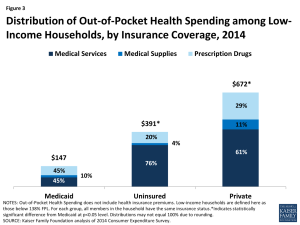
Understanding healthcare costs is crucial in making informed decisions about your healthcare provider and services. Various factors influence the costs involved, and it is essential to compare these costs to manage and reduce expenses effectively.
Factors Influencing Healthcare Costs
Several factors contribute to the overall healthcare costs individuals may incur. These factors include:
- The type of healthcare provider: Different providers may have varying fee structures and pricing for their services.
- Medical procedures and treatments: The complexity and intensity of medical procedures can significantly impact costs.
- Health insurance coverage: The extent of coverage provided by your health insurance plan can influence out-of-pocket expenses.
- Location: Healthcare costs can vary based on geographical location and the cost of living in a particular area.
- Additional services and facilities: Access to specialized services or facilities may come at an additional cost.
Comparing Healthcare Costs
When selecting a healthcare provider, it is essential to compare the costs associated with different providers and services. This comparison can help you make an informed decision based on your budget and healthcare needs.
Strategies for Managing Healthcare Expenses
Managing and reducing healthcare expenses can be achieved through various strategies, such as:
- Utilizing preventive care services to avoid costly medical treatments in the future.
- Reviewing and understanding your health insurance coverage to maximize benefits and minimize out-of-pocket expenses.
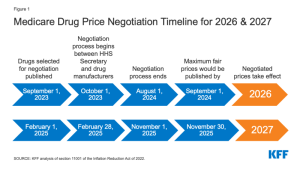
- Considering generic medications or alternative treatment options to lower prescription costs.
- Discussing payment plans or financial assistance options with healthcare providers to manage large medical bills.
- Seeking out free or low-cost clinics for basic healthcare needs if financially strained.
Healthcare Providers

When it comes to healthcare providers, there are different types to consider based on your needs. From primary care physicians to specialists, each plays a crucial role in managing your health and well-being.
Types of Healthcare Providers
- Primary Care Physician: This is typically your first point of contact for healthcare needs, providing routine check-ups, preventive care, and managing common illnesses.
- Specialist: These healthcare providers have expertise in specific areas such as cardiology, dermatology, or orthopedics. They are consulted for more complex or specialized medical issues.
- Nurse Practitioner or Physician Assistant: These professionals can provide primary care services, prescribe medications, and treat common illnesses under the supervision of a physician.
- Mental Health Professional: Including psychiatrists, psychologists, and counselors who specialize in mental health and emotional well-being.
Choosing a Healthcare Provider
- Consider your specific health needs and preferences when choosing a healthcare provider.
- Research the provider’s credentials, experience, and areas of expertise to ensure they align with your requirements.
- Check if the provider accepts your insurance plan to avoid unexpected out-of-pocket costs.
- Read reviews or ask for recommendations from friends and family to gauge the provider’s reputation and patient satisfaction.
Building a Good Relationship with Your Healthcare Provider
- Be open and honest about your medical history, symptoms, and concerns to help your provider make accurate diagnoses and treatment plans.
- Ask questions and seek clarification on any aspect of your healthcare to ensure you have a good understanding of your condition and treatment options.
- Follow your provider’s recommendations and treatment plans to achieve the best outcomes for your health.
- Communicate any changes in your health status, medications, or lifestyle habits to keep your provider informed and involved in your care.
Health Insurance
Having health insurance coverage is essential for ensuring access to necessary medical care without facing financial hardship. Health insurance helps individuals and families afford healthcare services, medications, and treatments, protecting them from high out-of-pocket costs.
Types of Health Insurance Plans
- Health Maintenance Organization (HMO): HMO plans require individuals to choose a primary care physician (PCP) who coordinates all healthcare needs. Referrals are often needed to see specialists.
- Preferred Provider Organization (PPO): PPO plans offer more flexibility in choosing healthcare providers, allowing individuals to see specialists without referrals, albeit at a higher cost.
Navigating Health Insurance Policies
- Understand the terms of your policy, including coverage limits, deductibles, co-pays, and coinsurance.
- Review the network of healthcare providers included in your plan to ensure you receive maximum coverage.
- Keep track of your medical expenses and bills to ensure accuracy and avoid overpayment.
- Stay informed about any changes to your policy, such as premium increases or modifications to coverage.
Health Records
Maintaining accurate health records is crucial for ensuring proper medical care and treatment. Health records contain important information about an individual’s medical history, medications, allergies, test results, and treatment plans. Having up-to-date and detailed health records can improve communication between healthcare providers, reduce medical errors, and ensure continuity of care.
Benefits of Electronic Health Records (EHR)
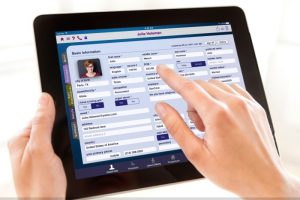
Electronic Health Records (EHR) offer several advantages over traditional paper records. EHRs are digital, making them easier to access, update, and share among healthcare providers. They can improve coordination of care, increase efficiency, and reduce the risk of errors. EHRs also allow for better integration of medical information, resulting in more comprehensive and personalized healthcare.
- Improved Accessibility: EHRs can be accessed remotely, allowing healthcare providers to retrieve patient information quickly, even in emergency situations.
- Enhanced Communication: EHRs facilitate seamless communication between different healthcare settings, ensuring that all providers have access to the same information.
- Efficiency and Cost Savings: Electronic records streamline administrative tasks, reduce paperwork, and minimize duplication of tests or procedures.
- Enhanced Patient Engagement: Patients can access their own EHRs, track their health information, and actively participate in their care decisions.
Tips for Organizing and Storing Personal Health Records Securely
Organizing and storing personal health records securely is essential to protect sensitive medical information and ensure confidentiality. Here are some tips to help you maintain your health records effectively:
- Use a secure digital platform: Consider using a reputable online health record management system or app to store your records digitally.
- Keep physical copies secure: If you have paper records, store them in a locked filing cabinet or safe to prevent unauthorized access.
- Update regularly: Make sure to update your health records with any new information, such as medications, allergies, or recent test results.
- Backup your data: Regularly backup your electronic health records to prevent data loss in case of technical issues or cyber-attacks.
- Limit access: Only share your health records with authorized healthcare providers and avoid disclosing sensitive information to unauthorized individuals.
Health Screening
Regular health screenings are crucial for preventive care as they help in early detection of potential health issues, allowing for timely intervention and treatment. By undergoing routine screenings, individuals can maintain their overall health and well-being.
Common Health Screenings by Age Group
- Children and adolescents: Regular check-ups for growth and development, vaccinations, vision and hearing tests, and screenings for conditions like obesity and diabetes.
- Adults (18-64 years): Blood pressure checks, cholesterol screenings, diabetes screenings, mammograms for women, colorectal cancer screenings, and routine physical exams.
- Seniors (65+ years): Bone density scans, screenings for cognitive impairment, hearing and vision tests, and preventive screenings for heart disease and cancer.
Preparing for a Health Screening Appointment
- Review any specific instructions provided by your healthcare provider, such as fasting requirements for certain tests.
- Bring a list of your current medications, including over-the-counter supplements, to discuss with your healthcare provider.
- Wear comfortable clothing that can easily be removed for physical examinations or screenings.
In conclusion, the path to good health starts with choosing the right healthcare provider, ensuring a holistic approach to your well-being and medical needs.
FAQ Corner
How can I overcome barriers to healthcare access?
Barriers can be overcome by seeking community resources, utilizing telehealth services, and advocating for policy changes.
What factors should I consider when choosing a healthcare provider?
Consider factors like proximity, insurance coverage, specialization, patient reviews, and communication style.
What are the benefits of electronic health records over paper records?
EHRs offer easier accessibility, better organization, improved data accuracy, and enhanced communication among healthcare providers.