Embark on a journey through the realm of Health Screening During Pregnancy, exploring its significance for the well-being of both mother and child. This narrative will delve into the importance of regular screenings and the impact of healthcare access and costs during this crucial period.
As we navigate through the complexities of healthcare access, costs, provider roles, insurance coverage, and policy influences, we aim to shed light on the essential aspects of maintaining health records and considerations for effective screenings during pregnancy.
Introduction to Health Screening During Pregnancy
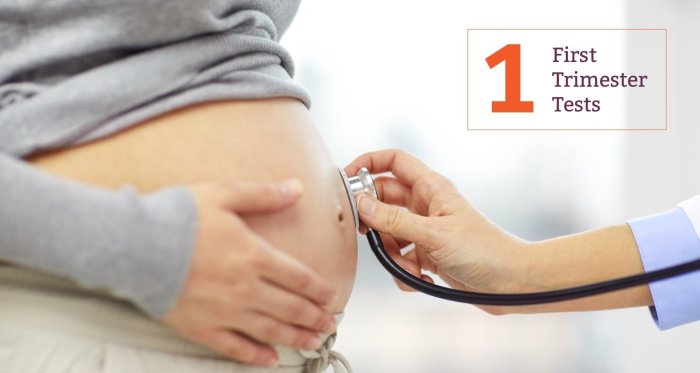
Health screening during pregnancy involves a series of tests and assessments that are conducted to monitor the health of both the mother and the developing baby. These screenings are crucial in ensuring a healthy pregnancy and addressing any potential issues that may arise.
The importance of health screening during pregnancy cannot be overstated. It helps healthcare providers detect any potential risks or complications early on, allowing for timely interventions and treatments. This ultimately contributes to the well-being of both the mother and the baby, ensuring a safe pregnancy and delivery.
Common Types of Health Screenings During Pregnancy
- Blood tests: These tests are done to check for blood type, Rh factor, anemia, and infections such as HIV and syphilis.
- Ultrasound: An ultrasound scan is commonly used to monitor the growth and development of the fetus, as well as detect any abnormalities.
- Glucose screening: This test checks for gestational diabetes, a condition that can develop during pregnancy and affect both the mother and the baby.
- Genetic screening: Genetic tests may be recommended to assess the risk of certain genetic conditions or birth defects.
- Blood pressure monitoring: Regular blood pressure checks are important to detect and manage conditions like preeclampsia, which can be harmful if left untreated.
Healthcare Access during Pregnancy
Accessing healthcare services during pregnancy can be challenging for many women due to various factors. Socioeconomic status plays a significant role in determining the level of healthcare access pregnant women receive. Women from lower socioeconomic backgrounds may face barriers such as lack of health insurance, limited transportation options, and financial constraints that prevent them from seeking timely and quality prenatal care.
Impact of Socioeconomic Factors on Healthcare Access
Socioeconomic factors, such as income level, education, and employment status, can directly impact a pregnant woman’s ability to access healthcare services. Women who are uninsured or underinsured may struggle to afford prenatal care visits, tests, and medications. Lack of access to reliable transportation can also hinder their ability to attend appointments regularly. Additionally, women facing financial difficulties may delay seeking care or opt for lower-cost options that may not provide comprehensive prenatal services.
Initiatives to Improve Healthcare Access
Several initiatives and programs aim to improve healthcare access for pregnant women, especially those facing socioeconomic challenges. Medicaid expansion in some states has helped increase access to affordable prenatal care for low-income women. Community health centers and mobile clinics offer services in underserved areas to bridge the gap in access to care. Programs that provide transportation assistance or financial support for healthcare expenses help pregnant women overcome barriers to accessing essential prenatal services.
Healthcare Costs Related to Pregnancy
Healthcare costs during pregnancy can vary depending on the individual’s health needs and circumstances. It is important to understand the typical costs associated with health screenings to make informed decisions about seeking healthcare.
Typical Costs Associated with Health Screenings During Pregnancy
- Routine prenatal visits: These visits can range from $100 to $200 per visit without insurance.
- Ultrasounds: The cost of ultrasounds can vary, with a basic ultrasound costing around $200 to $300.
- Lab tests: Blood tests and other lab work can cost anywhere from $50 to $200 per test.
- Genetic screening: Genetic testing can cost between $100 to $300, depending on the type of test.
How Healthcare Costs Can Influence a Pregnant Woman’s Decision to Seek Screenings
High healthcare costs can be a barrier for pregnant women seeking necessary screenings during pregnancy. Some women may forego or delay screenings due to financial concerns, which can impact their health and the health of their baby.
Potential Financial Assistance Options Available for Pregnant Women to Cover Healthcare Costs
- Medicaid: Pregnant women with low income may qualify for Medicaid, which can help cover the costs of prenatal care and screenings.
- State programs: Some states offer programs that provide financial assistance to pregnant women for healthcare expenses.
- Non-profit organizations: There are non-profit organizations that offer financial assistance or low-cost services for pregnant women in need.
- Payment plans: Healthcare providers may offer payment plans to help pregnant women manage the costs of care over time.
Healthcare Providers Involved in Health Screenings
Health screenings during pregnancy involve a team of healthcare professionals who work together to ensure the well-being of both the mother and the baby. These healthcare providers play crucial roles in monitoring the progress of the pregnancy and addressing any potential issues that may arise.
Roles of Healthcare Providers
Obstetricians, also known as OB-GYNs, are medical doctors specializing in pregnancy, childbirth, and women’s reproductive health. They oversee the overall care of pregnant women, conduct prenatal screenings, and manage any complications that may arise during pregnancy.
Midwives are healthcare professionals trained to provide prenatal care, assist with labor and delivery, and offer postpartum support. They focus on promoting a healthy pregnancy through education, counseling, and support services.
Other specialists, such as perinatologists (maternal-fetal medicine specialists) and genetic counselors, may be involved in cases where high-risk pregnancies or genetic conditions are present. These specialists provide additional expertise and support to ensure the best possible outcomes for both the mother and the baby.
Importance of Regular Check-ups
Regular check-ups with different healthcare providers during pregnancy are essential to monitor the health and development of the baby, as well as to address any potential concerns early on. Obstetricians and midwives work together to provide comprehensive care throughout the pregnancy, offering different perspectives and expertise to ensure a healthy outcome.
Collaboration between healthcare providers allows for a holistic approach to prenatal care, ensuring that all aspects of the pregnancy are addressed. Regular check-ups help to detect any issues promptly, provide necessary interventions, and offer support to the expecting mother throughout her pregnancy journey.
Health Insurance Coverage for Pregnancy
Having health insurance coverage during pregnancy is crucial to ensure that pregnant women receive the necessary prenatal care and screenings without incurring high out-of-pocket costs. Health insurance can help cover medical expenses related to pregnancy, including doctor visits, lab tests, ultrasounds, and hospital stays for delivery.
Common Health Insurance Plans for Pregnancy Coverage
- Medicaid: A state and federally funded program that provides health coverage to low-income individuals, including pregnant women. It covers prenatal care, delivery, and postpartum care.
- Private Health Insurance: Many private insurance plans offer maternity coverage that includes prenatal care, delivery, and postpartum care. It’s important to review the specific coverage details and any out-of-pocket costs.
- Health Insurance Marketplace Plans: These plans offer coverage options for individuals and families, including pregnant women. They may include essential health benefits required by the Affordable Care Act, such as maternity care.
Tips for Navigating Health Insurance Options
- Review Your Current Coverage: Understand what services are covered under your existing health insurance plan and whether you need to make any changes or additions for pregnancy coverage.
- Compare Plans: Research different health insurance options available to you, including Medicaid, private insurance plans, and marketplace plans. Compare costs, coverage, and benefits to find the best fit for your needs.
- Seek Assistance: If you’re unsure about which health insurance plan is right for you during pregnancy, consider reaching out to a healthcare navigator or insurance representative for guidance and support.
Health Policies Impacting Pregnancy Care
Government policies play a crucial role in shaping access to prenatal health screenings and ensuring the well-being of pregnant women and their babies. These policies are designed to promote maternal and child health through various initiatives and programs aimed at providing comprehensive care during pregnancy.
Existing Health Policies for Prenatal Health Screenings
- Government-funded programs such as Medicaid and the Children’s Health Insurance Program (CHIP) play a vital role in providing access to prenatal health screenings for low-income pregnant women.
- Maternal and Child Health (MCH) programs at the state and federal levels offer a range of services, including prenatal screenings, to promote healthy pregnancies and reduce maternal and infant mortality rates.
- The Affordable Care Act (ACA) mandates coverage of essential health benefits, including prenatal care and screenings, ensuring that pregnant women have access to necessary healthcare services.
Role of Government Policies in Promoting Maternal and Child Health
- Government policies aim to improve maternal and child health outcomes by promoting early detection of health issues through regular screenings during pregnancy.
- These policies also focus on providing education and support to pregnant women to help them make informed decisions about their health and the health of their babies.
- By implementing evidence-based practices and guidelines, government policies seek to standardize care and improve the quality of prenatal health screenings across healthcare providers.
Effectiveness of Current Health Policies in Ensuring Comprehensive Health Screenings
- While progress has been made in expanding access to prenatal screenings through government initiatives, disparities still exist in access to care based on socio-economic factors and geographic location.
- Ongoing evaluation and monitoring of health policies are essential to identify gaps in coverage and improve the delivery of prenatal health screenings to underserved populations.
- Collaboration between government agencies, healthcare providers, and community organizations is key to ensuring that pregnant women receive timely and appropriate screenings throughout their pregnancy.
Importance of Maintaining Health Records
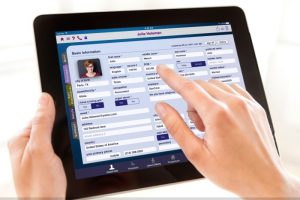
Maintaining accurate health records during pregnancy is crucial for ensuring the well-being of both the mother and the baby. These records serve as a comprehensive guide for healthcare providers to monitor the progress of health screenings, track any potential issues, and make informed decisions regarding the care and treatment required.
Tracking Progress of Health Screenings
- Health records provide a documented history of all health screenings conducted during pregnancy, including blood tests, ultrasounds, and other evaluations.
- By maintaining organized and up-to-date health records, healthcare providers can easily refer back to previous results, compare findings, and assess any changes or developments in the mother’s health.
- Tracking the progress of health screenings through meticulous record-keeping helps in identifying any abnormalities or concerns at an early stage, enabling timely interventions and appropriate management.
Organizing and Storing Health Records
- It is advisable to keep all health records in a dedicated folder or binder, categorized by the type of screening or test conducted and arranged chronologically for easy reference.
- Make digital copies of important health records and store them securely in cloud storage or an external hard drive to prevent loss or damage.
- Ensure that all healthcare providers involved in the pregnancy have access to the complete set of health records to facilitate coordinated care and consistent monitoring.
Considerations for Effective Health Screening
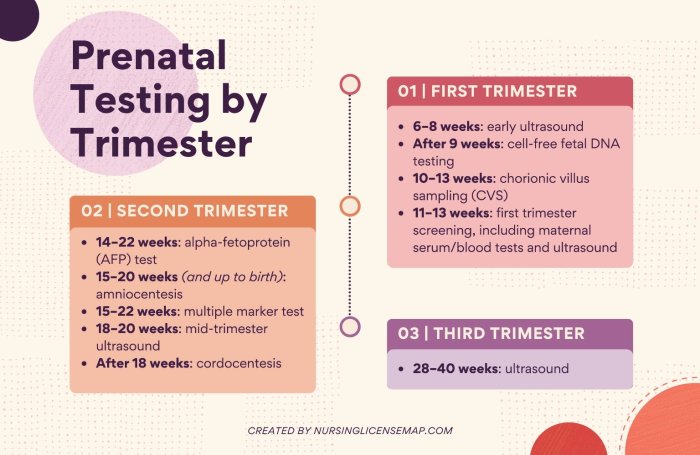
When it comes to scheduling health screenings during pregnancy, several factors need to be taken into account to ensure the effectiveness of the process. By considering these factors and following best practices, personalized care can be provided, tailored to individual needs.
Scheduling Health Screenings
- Timing: Ensure screenings are scheduled at the appropriate gestational age to detect any potential issues early.
- Frequency: Follow the recommended schedule for routine screenings and adjust based on individual risk factors.
- Coordination: Coordinate screenings with other prenatal appointments to minimize disruptions to the healthcare routine.
Best Practices for Effective Health Screenings
- Quality of Providers: Choose healthcare providers with expertise in prenatal care and screening procedures.
- Communication: Ensure clear communication between the healthcare team and the pregnant individual regarding the purpose and results of screenings.
- Follow-Up: Promptly address any abnormal results with follow-up screenings or interventions as needed.
Role of Personalized Care
- Individualized Approach: Tailor health screenings based on the unique medical history, risk factors, and preferences of the pregnant individual.
- Shared Decision-Making: Involve the pregnant individual in decision-making regarding the frequency and type of health screenings to ensure their needs and concerns are addressed.
- Continuity of Care: Maintain a consistent healthcare provider throughout pregnancy to facilitate personalized care and continuity in health screenings.
In conclusion, Health Screening During Pregnancy plays a pivotal role in safeguarding the health of expectant mothers and their babies. By emphasizing the importance of proactive healthcare measures and access to quality services, we strive to empower pregnant women in their journey towards a healthy and successful pregnancy.
Q&A
What are the typical costs associated with health screenings during pregnancy?
The costs can vary but generally include lab tests, ultrasounds, and consultations with healthcare providers.
How can pregnant women navigate health insurance options for optimal coverage?
Pregnant women can seek assistance from insurance providers, healthcare professionals, or government agencies to understand available plans and benefits.
What factors should be considered when scheduling health screenings during pregnancy?
Factors such as gestational age, medical history, and any high-risk conditions should be taken into account for effective screening schedules.