With Affordable Healthcare Providers at the forefront, this paragraph opens a window to an amazing start and intrigue, inviting readers to embark on a storytelling journey filled with unexpected twists and insights.
Affordable healthcare providers play a crucial role in ensuring that everyone has access to necessary medical services without financial strain. In a world where healthcare costs can be prohibitive, the presence of affordable providers becomes a beacon of hope for individuals seeking quality care. Let’s delve deeper into the realm of affordable healthcare providers and explore the challenges and solutions that shape this vital aspect of our healthcare system.
Affordable Healthcare Providers
Affordable healthcare providers play a crucial role in ensuring that all individuals have access to essential healthcare services without facing financial hardships. These providers offer medical treatments, consultations, and preventive care at costs that are manageable for people from diverse socio-economic backgrounds, ultimately promoting a healthier population.
Challenges Faced in Accessing Affordable Healthcare Providers
Despite the importance of affordable healthcare providers, many individuals encounter challenges in accessing these services. Some of the common obstacles include:
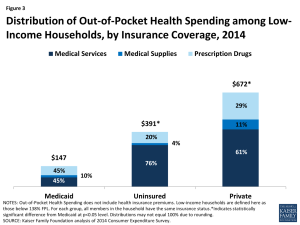
- Lack of insurance coverage, leading to high out-of-pocket costs for medical care.
- Limited availability of healthcare providers in rural or underserved areas, making it difficult for residents to access affordable services.
- Barriers related to language, cultural differences, or lack of transportation, hindering individuals from seeking care from affordable providers.
Initiatives to Increase Availability of Affordable Healthcare Providers
Various initiatives and programs have been implemented to address the issue of limited access to affordable healthcare providers. Some examples include:
- Community health centers that offer comprehensive primary care services on a sliding fee scale based on income, ensuring affordability for low-income individuals.
- Telehealth services that provide remote consultations and medical advice, expanding access to healthcare providers beyond geographical boundaries.
- Government subsidies and grants to healthcare facilities serving underserved populations, helping to reduce costs for patients seeking care from these providers.
Healthcare Access
Access to healthcare plays a crucial role in promoting overall well-being and preventing health disparities. When individuals have easy access to healthcare services, they are more likely to receive timely medical attention, preventive care, and necessary treatments, leading to better health outcomes and quality of life.
Impact of Limited Healthcare Access
Limited healthcare access can have varying impacts on different demographics or regions. For example, underserved communities, such as rural areas or low-income neighborhoods, may face challenges in accessing healthcare due to factors like lack of healthcare facilities, transportation barriers, or high costs. This can result in delayed or inadequate medical care, leading to worsened health conditions, higher rates of chronic diseases, and increased healthcare disparities.
Strategies to Improve Healthcare Access
There are several strategies that can be implemented to improve healthcare access for underserved communities. These include increasing the number of healthcare facilities in rural areas, expanding telehealth services to reach remote populations, providing transportation assistance for individuals to access medical appointments, offering sliding fee scales or financial assistance programs for low-income patients, and promoting health education and outreach initiatives to raise awareness about available healthcare services.
By addressing barriers to healthcare access and implementing targeted interventions, it is possible to enhance healthcare equity and improve health outcomes for all individuals.
Healthcare Costs
Healthcare costs have been on the rise in recent years, posing a significant financial burden on individuals and the healthcare system as a whole. The factors contributing to this increase have far-reaching implications on access to quality care and overall health outcomes.
Factors Contributing to Rising Healthcare Costs
Several factors contribute to the increase in healthcare costs, including:
- Advancements in medical technology leading to expensive treatments and procedures.
- An aging population requiring more healthcare services.
- Administrative costs associated with billing and insurance processing.
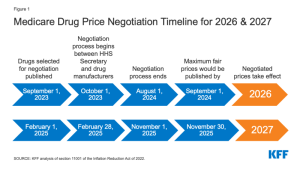
- Pharmaceutical companies charging high prices for medications.
Role of Affordable Healthcare Providers
Affordable healthcare providers play a crucial role in mitigating high healthcare costs for patients by offering quality care at a lower price point. These providers often focus on preventive care, early intervention, and cost-effective treatment options to ensure that individuals can access the care they need without facing exorbitant bills.
Examples of High Healthcare Costs Impacting Access to Care
High healthcare costs can prevent individuals from seeking necessary medical care, leading to delayed treatment and worsened health outcomes. For example:
- A person with a chronic condition may skip appointments and medications due to high out-of-pocket costs, resulting in complications and hospitalizations.
- An uninsured individual may avoid seeking care for a minor ailment, only to end up in the emergency room with a more serious condition that could have been prevented with timely intervention.
Healthcare Providers
Healthcare providers play a crucial role in delivering quality and affordable healthcare services to patients. They are responsible for diagnosing, treating, and managing various health conditions, ensuring the well-being of their patients.
Collaboration with Insurance Companies
Healthcare providers can collaborate with insurance companies to offer cost-effective care by participating in network agreements. By joining insurance networks, providers can negotiate discounted rates for services, making healthcare more affordable for patients with insurance coverage.
Importance of Transparency in Pricing
Transparency in pricing from healthcare providers is essential to empower patients in making informed decisions about their healthcare. When patients have access to clear and upfront pricing information, they can compare costs, understand the value of services, and make choices that align with their healthcare needs and financial capabilities.
Health Insurance
Health insurance plays a crucial role in determining individuals’ access to affordable healthcare providers and the quality of care they receive. By understanding the relationship between health insurance and affordable healthcare providers, individuals can make informed decisions about their healthcare options.
Types of Health Insurance Plans
There are different types of health insurance plans available, each with its own set of benefits, coverage options, and costs. Understanding the differences between these plans can help individuals choose the right one that aligns with their healthcare needs and budget.
- Health Maintenance Organization (HMO): HMO plans require individuals to choose a primary care physician and obtain referrals for specialist visits. While these plans offer lower out-of-pocket costs, they also limit provider choices.
- Preferred Provider Organization (PPO): PPO plans offer more flexibility in choosing healthcare providers and do not require referrals for specialists. However, they often come with higher premiums and out-of-pocket costs.
- High Deductible Health Plan (HDHP): HDHPs have lower premiums but higher deductibles, making them a suitable option for individuals who are generally healthy and do not require frequent medical care. These plans are often paired with Health Savings Accounts (HSAs) to cover out-of-pocket expenses.
Health Policies
Government policies play a crucial role in shaping the landscape of affordable healthcare providers. These policies can have a significant impact on the accessibility and affordability of healthcare services for individuals and communities.
Effectiveness of Current Health Policies
Current health policies aim to address healthcare affordability issues, but their effectiveness can vary. Some policies have successfully improved access to affordable healthcare providers, while others may fall short in meeting the needs of certain populations.
Examples of Successful Policy Interventions
- Expansion of Medicaid: Medicaid expansion in certain states has increased access to healthcare services for low-income individuals and families who may not have been able to afford coverage otherwise.
- Community Health Centers: Government funding for community health centers has helped to provide affordable primary care services to underserved populations, reducing the burden on emergency rooms.
- Prescription Drug Price Regulations: Some states have implemented regulations to control the prices of prescription drugs, making medications more affordable for consumers.
Health Records
Health records play a crucial role in enhancing coordination among healthcare providers for cost-effective care. They provide a comprehensive view of a patient’s medical history, treatments, and medications, allowing different providers to make informed decisions and avoid unnecessary duplication of tests or treatments.
Challenges Associated with Maintaining and Sharing Health Records
Maintaining and sharing health records across different healthcare providers can be challenging due to various factors. One of the main challenges is the lack of interoperability between different electronic health record systems, making it difficult to exchange information seamlessly. Privacy concerns and data security issues also present obstacles to sharing health records effectively.
- Interoperability issues: Different healthcare providers may use incompatible systems, leading to difficulties in sharing and accessing patient information.
- Privacy concerns: Patients are rightfully concerned about the security and privacy of their health records, which can hinder the sharing of sensitive information.
- Data security risks: Health records contain valuable personal information that is vulnerable to data breaches or cyber attacks, posing risks to patient privacy.
- Regulatory compliance: Healthcare providers must adhere to strict regulatory requirements when sharing health records, adding complexity and potential legal challenges.
Innovations and Technologies in Health Record Management
In recent years, there have been significant advancements in technologies aimed at streamlining health record management and improving patient outcomes. These innovations seek to address the challenges mentioned earlier and enhance the overall efficiency and effectiveness of healthcare delivery.
- Electronic Health Records (EHRs): EHR systems allow healthcare providers to access and update patient information digitally, promoting better coordination and continuity of care.
- Health Information Exchange (HIE): HIE platforms facilitate the secure sharing of health information among different providers, improving care coordination and reducing duplication of services.
- Blockchain technology: Blockchain offers a secure and decentralized way to store and share health records, ensuring data integrity and enhancing patient privacy.
- Artificial Intelligence (AI): AI-powered tools can help analyze large datasets in health records, identify patterns, and provide insights for personalized treatment plans.
Health Screening
Regular health screenings play a crucial role in preventive healthcare by detecting potential health issues early on, allowing for timely intervention and treatment. This proactive approach not only improves health outcomes but also leads to significant cost savings in the long run.
Significance of Regular Health Screenings
- Screenings can identify risk factors for various diseases such as heart disease, cancer, diabetes, and more.
- Early detection through screenings can lead to more effective treatment options and better prognosis.
- Preventive screenings can help individuals make lifestyle changes to reduce their risk of developing chronic conditions.
- Regular screenings contribute to overall health maintenance and well-being, promoting a healthier population.
Promoting and Facilitating Health Screening Services
- Affordable healthcare providers can offer discounted or free health screenings to encourage patients to prioritize preventive care.
- Utilizing telehealth services for remote screenings can improve accessibility and convenience for individuals with transportation or mobility barriers.
- Educational campaigns and outreach programs can raise awareness about the importance of regular screenings and address any misconceptions or fears.
- Collaborating with community organizations and local health departments can help expand access to screening services for underserved populations.
Disparities in Health Screening Rates
- Certain populations, such as minority groups or low-income individuals, may have lower rates of health screenings due to factors like lack of insurance coverage or cultural barriers.
- Solutions to address these gaps include offering culturally sensitive care, providing language interpretation services, and implementing outreach programs tailored to specific communities.
- Targeted interventions and policies aimed at reducing disparities in healthcare access can help improve screening rates and promote health equity.
- Continued research and data collection are essential to identify and address underlying factors contributing to disparities in health screening utilization.
In conclusion, the landscape of affordable healthcare providers is complex yet essential for a healthy society. By addressing the challenges and embracing innovations, we can work towards a future where healthcare access is truly universal and affordable for all. It’s time to prioritize the well-being of individuals and communities by supporting initiatives that promote the availability of affordable healthcare providers.
Essential Questionnaire
How do affordable healthcare providers impact underserved communities?
Affordable healthcare providers can significantly improve access to vital medical services for underserved communities, ensuring that individuals receive the care they need without facing financial burdens.
What role do health insurance policies play in accessing affordable healthcare providers?
Health insurance policies can dictate the extent to which individuals can access affordable healthcare providers, influencing their choices and the quality of care they receive.
Are there specific strategies to reduce healthcare costs for patients through affordable providers?
Affordable healthcare providers often implement cost-effective measures such as preventative care and streamlined services to reduce overall healthcare costs for patients.