Beginning with Affordable Healthcare Options for Low-Income Families, the narrative unfolds in a compelling and distinctive manner, drawing readers into a story that promises to be both engaging and uniquely memorable.
This article delves into the challenges faced by low-income families in accessing quality healthcare, the financial burden they bear, the availability of healthcare providers, the significance of health insurance, existing health policies, maintaining health records, and the importance of regular health screenings.
Healthcare Access
Accessing affordable healthcare is a significant challenge for low-income families due to various barriers that limit their ability to receive quality medical services. These barriers not only impact the health outcomes of individuals but also contribute to disparities in healthcare access and outcomes.
Financial Barriers
Financial constraints pose a major obstacle for low-income families seeking healthcare services. The cost of insurance premiums, copayments, deductibles, and out-of-pocket expenses can be prohibitively high, making it difficult for families to afford necessary medical care. As a result, many low-income individuals may forgo preventive care or delay seeking treatment until their condition worsens, leading to more serious health complications.
Lack of Insurance Coverage
Many low-income families lack access to health insurance coverage, either through an employer or government programs like Medicaid. Without insurance, individuals may be unable to afford routine check-ups, screenings, or medications, resulting in undiagnosed or untreated health issues. This lack of coverage can perpetuate a cycle of poor health outcomes and increased healthcare costs in the long run.
Limited Healthcare Facilities
Inadequate access to healthcare facilities in underserved communities can also hinder low-income families’ ability to receive timely and appropriate care. Rural areas, in particular, may have a shortage of primary care providers, specialists, and hospitals, forcing individuals to travel long distances for medical appointments or emergency services. This lack of proximity to healthcare resources can delay treatment and exacerbate health conditions.Improving healthcare access for low-income families is crucial to addressing health disparities and promoting overall well-being.
By addressing financial barriers, expanding insurance coverage, and increasing access to healthcare facilities in underserved areas, policymakers and healthcare providers can help ensure that all individuals have equal opportunities to receive quality medical care and lead healthier lives.
Healthcare Costs
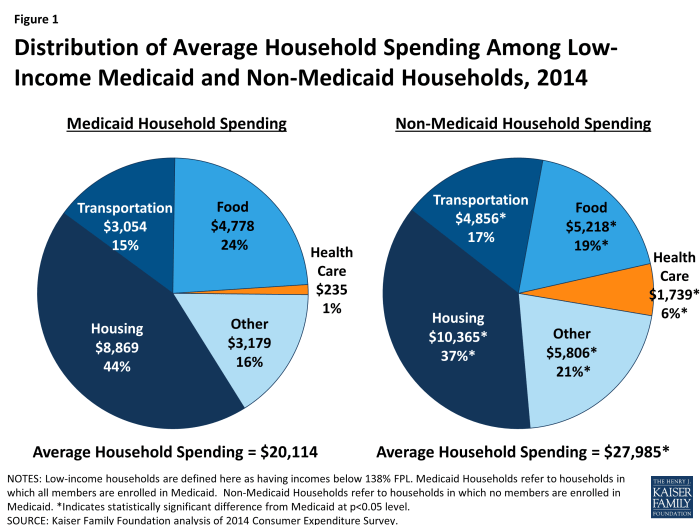
In the context of low-income families, healthcare costs can present a significant financial burden, often leading to difficult choices between seeking necessary medical treatment and meeting other basic needs. The cost of healthcare services for these families is a crucial factor that can impact their overall well-being and quality of life.
Financial Burden of Healthcare Costs
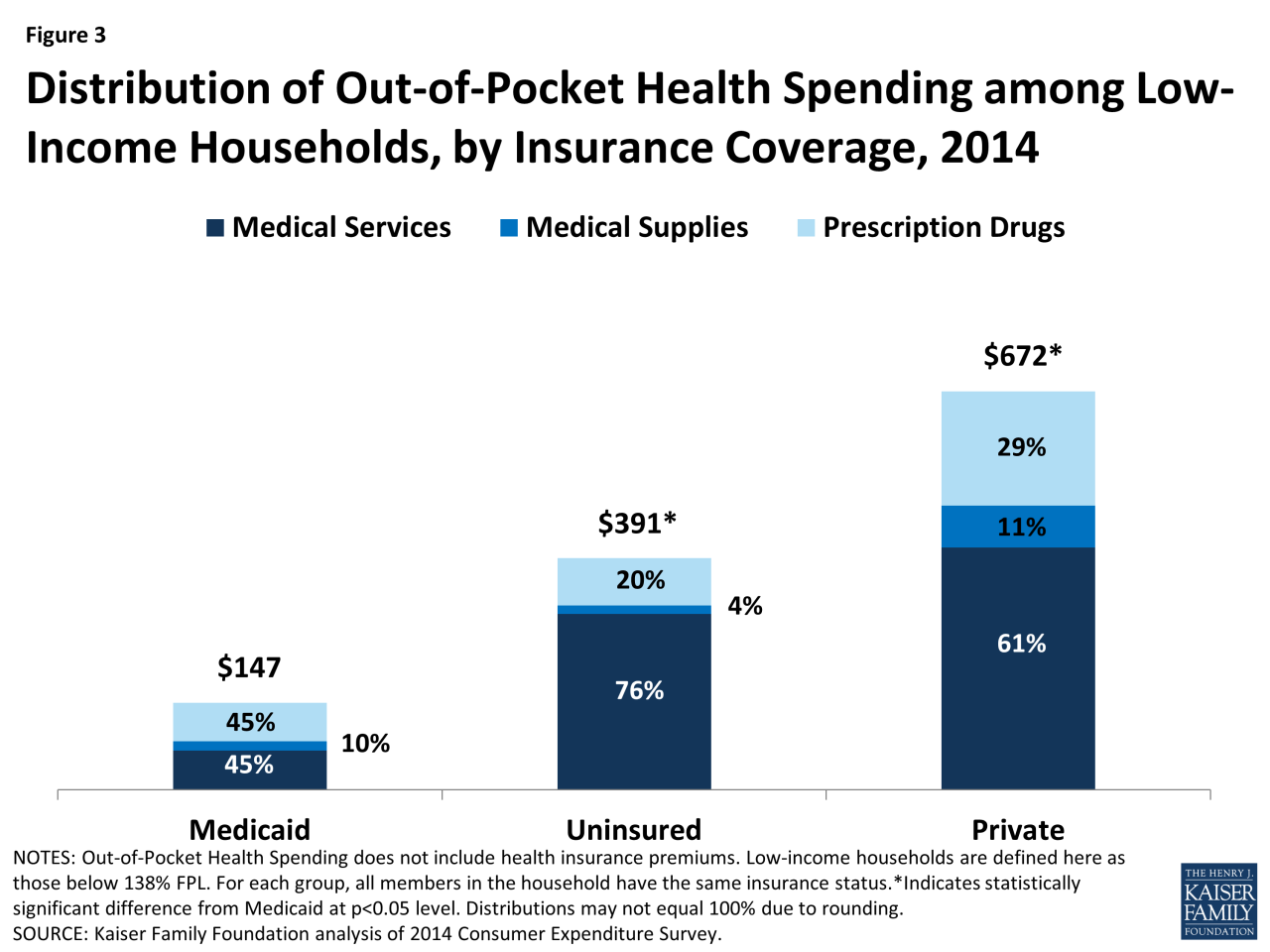
Healthcare costs can consume a large portion of the income of low-income families, making it challenging for them to afford necessary medical care. These families may struggle to pay for health insurance premiums, deductibles, copayments, and prescription medications, leading to delayed or foregone medical treatment. As a result, they may experience worsened health outcomes and increased healthcare expenses in the long run.
Comparison of Healthcare Costs
When comparing healthcare costs for low-income families versus higher-income groups, disparities become evident. Low-income families often face higher out-of-pocket expenses due to limited access to employer-sponsored health insurance or government assistance programs. On the other hand, higher-income groups may have better coverage and financial resources to afford quality healthcare services without significant financial strain.
Strategies to Reduce Healthcare Costs
To alleviate the financial burden of healthcare costs on low-income families, various strategies can be implemented. These include:
- Enrolling in Medicaid or CHIP (Children’s Health Insurance Program) for low-cost or free health coverage for eligible children and families.
- Utilizing community health centers and clinics that offer sliding fee scales based on income for affordable primary care services.
- Seeking prescription assistance programs and generic medication options to lower the cost of medications.
- Exploring healthcare discount programs, charity care, and financial assistance options provided by hospitals and healthcare facilities.
- Prioritizing preventive care and early intervention to prevent costly medical emergencies and complications.
Healthcare Providers
In low-income communities, access to healthcare providers can be a challenge for many families. Due to various factors such as geographic location, financial constraints, and limited resources, the availability of healthcare providers may be scarce.
Shortage Impact on Low-Income Families
The shortage of healthcare providers in underserved areas can have a significant impact on low-income families. It can lead to longer wait times for appointments, limited options for specialized care, and reduced quality of healthcare services. This can result in delayed or inadequate treatment, ultimately affecting the health outcomes of individuals and families.
Importance of Increasing Healthcare Providers
Increasing the number of healthcare providers in underserved areas is crucial to improving access to quality healthcare for low-income families. By addressing the shortage of healthcare providers, we can ensure that individuals have timely access to medical care, preventive services, and necessary treatments. This can help reduce health disparities, improve health outcomes, and ultimately enhance the overall well-being of low-income communities.
Health Insurance
Health insurance plays a vital role in providing financial protection and access to healthcare services for low-income families. It helps cover the costs of medical care, including doctor visits, prescription medications, hospital stays, and preventive services.
Types of Health Insurance Options
- Medicaid: A state and federally funded program that provides health coverage to eligible low-income individuals and families. Coverage and benefits vary by state.
- Children’s Health Insurance Program (CHIP): Offers low-cost health coverage for children in families that do not qualify for Medicaid but cannot afford private insurance.
- Marketplace Health Insurance: Provides a platform for individuals and families to compare and purchase private health insurance plans, with possible subsidies depending on income.
- Medicare: A federal program that primarily serves individuals aged 65 and older, as well as certain younger people with disabilities. It can also benefit low-income families with eligible members.
Government Programs for Health Insurance Assistance
- Medicaid: As mentioned earlier, Medicaid is a key government program that offers health insurance coverage to low-income families, pregnant women, children, and individuals with disabilities.
- CHIP: The Children’s Health Insurance Program provides coverage for children in families that earn too much to qualify for Medicaid but cannot afford private insurance.
- Subsidies on Marketplace Plans: Through the Affordable Care Act, low-income families may be eligible for subsidies that reduce the cost of purchasing health insurance through the Health Insurance Marketplace.
Health Policies
Health policies play a crucial role in shaping the access to healthcare for low-income families. These policies can either facilitate or hinder their ability to receive quality and affordable healthcare services.
Impact of Existing Health Policies
Existing health policies often have a significant impact on low-income families’ access to healthcare. For example, policies related to Medicaid eligibility criteria can determine whether a family qualifies for essential health coverage.
- Medicaid Expansion: States that have expanded Medicaid eligibility have seen an increase in coverage for low-income families who previously fell into the coverage gap.
- Community Health Centers: Policies that support funding for community health centers can improve access to primary care services for low-income populations.
- Reproductive Health Policies: Restrictions on reproductive health services can disproportionately affect low-income women’s ability to access essential healthcare.
Recent Policy Changes
Recent policy changes have aimed at improving healthcare options for low-income families. These changes are designed to address disparities and improve overall health outcomes.
- Expansion of Telehealth Services: Policies expanding telehealth services have increased access to healthcare for low-income families in remote or underserved areas.
- Affordable Care Act Improvements: Efforts to strengthen the Affordable Care Act have helped increase coverage options for low-income families through subsidies and expanded Medicaid.
- Maternal Health Initiatives: Policies focusing on improving maternal health outcomes for low-income women have been implemented to address disparities in maternal mortality rates.
Role of Policymakers
Policymakers play a crucial role in addressing healthcare disparities among low-income populations. Their decisions and initiatives can have a direct impact on the accessibility and affordability of healthcare services for these families.
- Advocacy for Health Equity: Policymakers can advocate for policies that prioritize health equity and address social determinants of health that impact low-income families.
- Funding Allocation: Allocating resources towards programs that support healthcare access for low-income populations is essential in improving health outcomes and reducing disparities.
- Collaboration with Stakeholders: Policymakers can work with healthcare providers, community organizations, and advocates to develop policies that effectively address the needs of low-income families.
Health Records
Maintaining accurate health records is crucial for low-income families as it helps in providing proper healthcare and tracking medical history effectively.
Importance of Health Records for Low-Income Families
- Health records allow healthcare providers to make informed decisions and provide appropriate treatment.
- They help in managing chronic conditions and monitoring progress over time.
- Accurate health records reduce the risk of medical errors and ensure continuity of care.
Challenges in Accessing and Managing Health Records
- Low-income families may face barriers in accessing digital health records due to limited internet or computer access.
- Lack of health literacy and understanding of medical terminology can make it challenging to interpret and manage health records.
- Financial constraints may limit the ability to obtain physical copies of health records from healthcare providers.
Tips for Organizing and Keeping Track of Health Records
- Keep a dedicated folder or binder for storing all health-related documents in one place.
- Utilize online tools and apps that offer free or low-cost options for managing health records digitally.
- Request a printed copy of health records during doctor visits and keep them organized by date for easy reference.
- Create a medical history summary with essential information like allergies, medications, and past surgeries for quick access.
Health Screening
Regular health screenings play a crucial role in maintaining the well-being of low-income families. By detecting potential health issues early on, these screenings can help prevent more serious health conditions and reduce healthcare costs in the long run.
Common Health Screenings for Low-Income Individuals
- Blood pressure checks: High blood pressure can lead to various health complications if left untreated.
- Cholesterol tests: Monitoring cholesterol levels is important for preventing heart disease.
- Blood sugar tests: Screening for diabetes is essential, especially for those with a family history of the disease.
- Colon cancer screenings: Early detection through colonoscopies can save lives.
- Mammograms and Pap smears: Regular screenings for breast and cervical cancer are vital for women’s health.
Impact of Preventive Health Screenings on Healthcare Costs
Regular preventive health screenings not only help detect health issues early but also significantly reduce healthcare costs for low-income families. By addressing potential health problems in their early stages, individuals can avoid more expensive treatments that may be required for advanced conditions. Additionally, preventive screenings can lead to better overall health outcomes, helping to minimize the financial burden of healthcare on low-income families.
In conclusion, addressing the healthcare needs of low-income families is crucial for ensuring their well-being. By improving access, reducing costs, increasing healthcare providers, enhancing insurance options, implementing supportive policies, maintaining accurate records, and promoting regular screenings, we can make significant strides towards providing affordable healthcare for all.
FAQs
How can low-income families reduce healthcare costs?
Low-income families can explore options like community health centers, free clinics, and government assistance programs to reduce healthcare costs.
What are some common health screenings recommended for low-income individuals?
Common health screenings for low-income individuals include blood pressure checks, cholesterol tests, diabetes screenings, and cancer screenings based on age and risk factors.
Why is health insurance important for low-income families?
Health insurance provides financial protection and access to essential healthcare services that low-income families might otherwise struggle to afford.